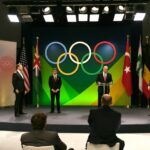

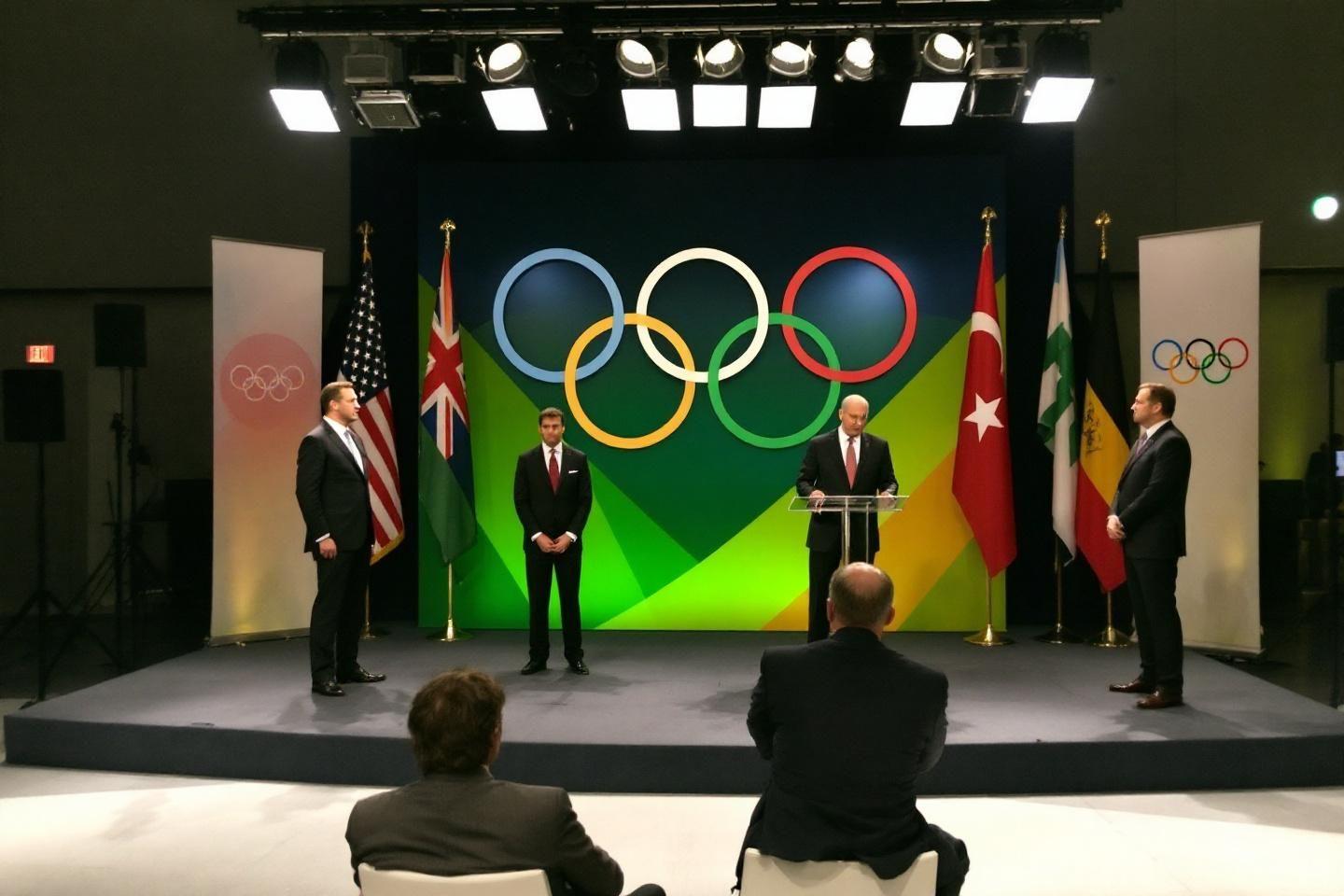
International sporting authorities are showing unprecedented willingness to lift restrictions against Russian competitors, marking a potential turning point after years of isolation. The shift became apparent during recent meetings in Italy, where Olympic leadership hinted at relaxing measures imposed following doping violations and geopolitical conflicts. This development suggests a gradual return to normalcy for one of sport’s historically dominant nations, despite ongoing controversies surrounding both pharmaceutical misconduct and military actions in Eastern Europe.
The landscape of international athletic competition appears ready for transformation as governing bodies reassess their positions. Kirsty Coventry, presiding over the International Olympic Committee, emphasized maintaining sport as neutral territory, carefully avoiding direct references to specific nations while making her stance clear. Her comments reflect growing sentiment among sporting officials that athletic organizations should prioritize competition over political considerations, a philosophy gaining traction across multiple federations worldwide.
Recent developments signal changing attitudes toward Russian participation
Several prominent sporting organizations have already taken concrete steps toward reversing prohibitions. FIFA’s leadership publicly questioned the effectiveness of existing bans on Russian and Belarusian teams, suggesting current restrictions have failed to achieve intended outcomes. The Kremlin welcomed these statements, recognizing them as positive indicators for future participation. Meanwhile, Ukrainian officials strongly opposed any premature lifting of sanctions, arguing that restrictions should remain firmly in place throughout ongoing hostilities.
The momentum extends beyond football governance. International federations overseeing judo and taekwondo recently terminated their prohibitions, permitting athletes to compete under national representation at sanctioned events. December brought additional recommendations allowing youth competitors from previously excluded nations to participate in upcoming junior championships scheduled for Senegal. These incremental changes create a pathway toward fuller integration into mainstream international competition.
Russian sports journalists observe this trend with cautious optimism, noting persistent signals throughout the sporting community suggesting comprehensive restoration approaches rapidly. However, complexities remain regarding implementation timelines and specific conditions governing any potential return to unrestricted participation across Olympic disciplines and professional leagues worldwide.
Complex procedural requirements govern potential restoration processes
Reversing existing sanctions involves multiple layers of authorization and approval. The International Olympic Committee must first address its suspension of national Olympic committees, imposed following territorial sports organization disputes in occupied Ukrainian regions. Individual sports federations subsequently need independent votes permitting athlete participation within their respective domains, creating a fragmented decision-making structure.
Different organizations maintain varying positions regarding reinstatement criteria :
- Olympic governance bodies emphasize maintaining political neutrality while acknowledging contextual complexities
- Paralympic authorities have already lifted certain restrictions while maintaining competition-specific prohibitions
- Individual sport federations retain autonomy to establish independent policies regardless of broader Olympic recommendations
- Regional governing bodies face pressure balancing competitive fairness against geopolitical considerations
Ski federation leadership called for clearer standardized guidelines, questioning whether Russia faces disproportionate scrutiny compared to other nations involved in international conflicts. This perspective highlights inconsistencies in how sporting authorities address political situations, raising questions about fairness and uniformity in applying sanctions across different geopolitical circumstances affecting multiple countries globally.
Historical context reveals decade-long sporting isolation
Russian exclusion began following revelations about systematic pharmaceutical cheating affecting over one thousand competitors between 2011 and 2015. The state-directed program shocked international athletic communities through its audacity and comprehensive scope, prompting immediate consequences including track and field prohibitions at Rio competitions and Olympic committee suspensions for subsequent games.
| Year | Event | Impact on Russian participation |
|---|---|---|
| 2014 | Sochi Winter Games | Full participation, medal table leader |
| 2016 | Rio Summer Games | Track and field team excluded |
| 2018 | Pyeongchang Winter Games | Olympic committee suspended |
| 2022 | Beijing Winter Games | Competed under committee designation |
| 2024 | Paris Summer Games | Individual neutral athletes only |
Initial restrictions were scheduled to expire following Beijing competitions, where teams competing under Olympic committee designation secured five gold medals. However, military actions commencing immediately afterward prompted renewed recommendations for comprehensive athlete exclusions, extending isolation through subsequent competitions in Paris and Milan.
Stringent vetting processes examined individual competitors’ political positions, military connections, and pharmaceutical compliance before permitting participation. Only fifteen athletes ultimately qualified for Paris games, creating perceptions of national humiliation among Russian sporting officials. Domestic criticism targeted neutral athletes harshly, with prominent figures describing competitors as stateless representatives without proper recognition or support.
Shifting domestic perspectives accompany international changes
The current Winter Games demonstrate evolving Russian attitudes toward Olympic participation. Unlike Paris, where competitions received no domestic broadcast coverage, Milan events are streaming within Russia, indicating renewed governmental support for athlete qualification efforts. Sports ministry backing contrasts sharply with previous passive approaches, suggesting coordinated strategic shifts regarding international sporting engagement.
Thirteen qualified competitors represent proportionally stronger participation compared to summer championships, reflecting improved preparedness despite continued restrictions. State television commentators emphasize these athletes represent a great sporting power, framing neutral status as temporary technicality rather than fundamental identity. This messaging aims to maintain domestic enthusiasm while managing expectations regarding full restoration timelines.
Competing athletes express focus on personal performance goals rather than broader political considerations. Cross-country skiers and ski mountaineering specialists qualified under current regulations emphasize delivering optimal results regardless of team composition or representation status. Many express optimism regarding future participation conditions, anticipating brighter prospects and elimination of neutral athlete designations within coming years, reflecting confidence in eventual comprehensive integration into international sporting frameworks.