






Nestled between the Alps and the Adriatic Sea, this compact nation has emerged as an unexpected powerhouse in international sports competition. With a population barely exceeding two million inhabitants, Slovenia consistently produces world-class athletes across remarkably diverse disciplines. From cycling legends to basketball superstars, from ski jumping champions to climbing phenoms, this young republic demonstrates how smart systems and cultural values can triumph over demographic limitations.
Geography and cultural identity shape athletic excellence
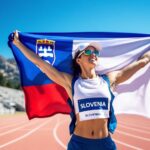
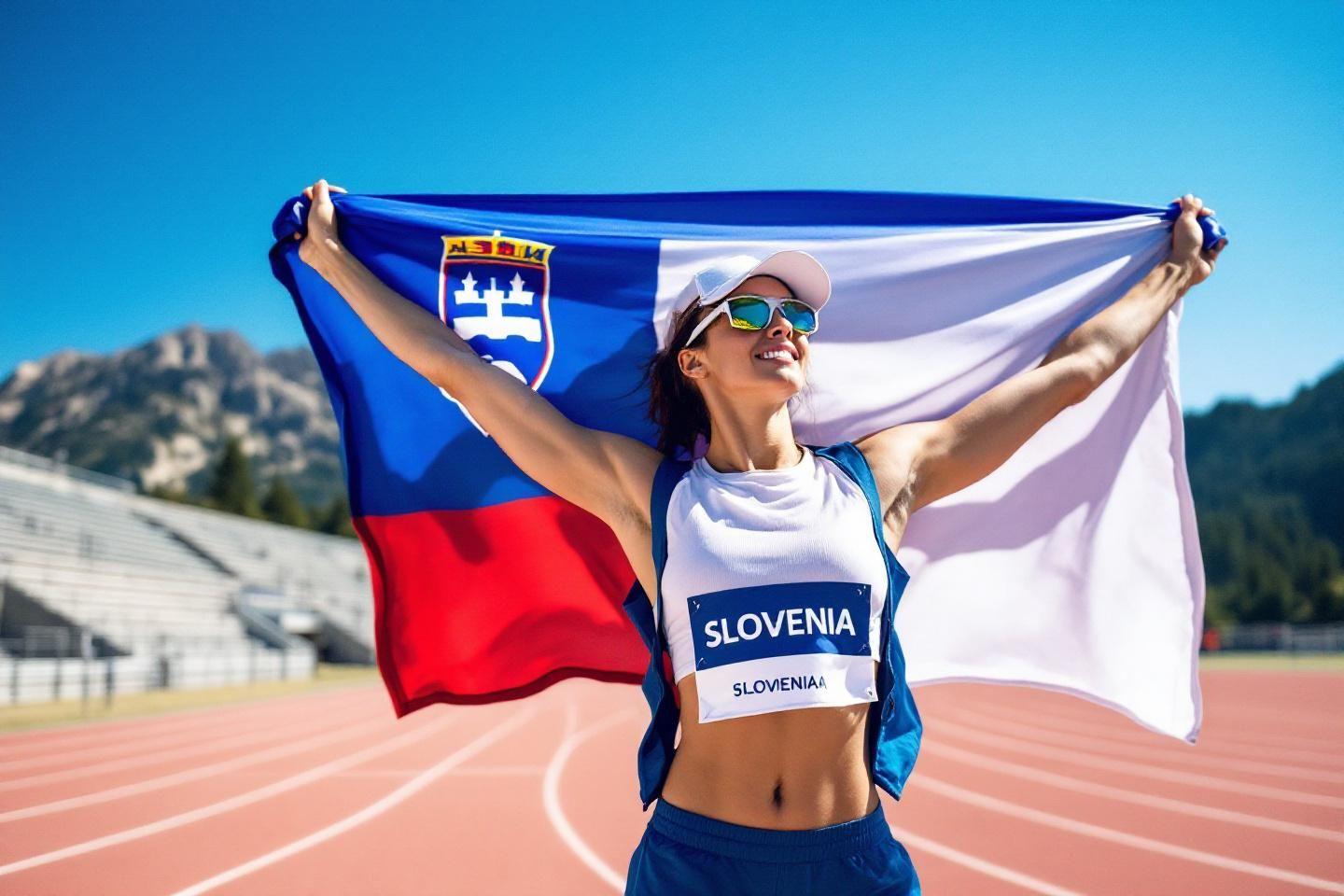
The national flag itself tells the story, displaying mountain peaks that dominate the landscape and beneath them, wavy lines representing both rivers and coastal access. This unique geographic diversity enables Slovenians to practice virtually any sport imaginable, from winter mountain pursuits to water-based activities. The country divides into twelve distinct regions, each developing specialization in particular disciplines. Northern areas focus on ski jumping and alpine skiing, while southern territories excel in martial arts, rowing, and aquatic sports. The capital Ljubljana concentrates on team sports including volleyball, basketball, handball, and track events.
Since declaring independence from Yugoslavia in 1991, sport has become intertwined with national identity. Citizens express pride through athletic achievement, viewing competition as the arena where their small nation can demonstrate superiority against much larger countries. One enthusiastic supporter captured this sentiment perfectly : they cannot compete economically or militarily, but they dominate on the playing field. Ski jumping holds particular significance, as early gold medals in this discipline provided the newly independent nation with its first taste of international recognition.
Weekend culture revolves around physical activity, with approximately sixty percent of the population engaging in sports weekly. This active lifestyle traces back to Austro-Hungarian Empire public health initiatives from over 150 years ago. Whether undertaking serious training or simply walking through nature, movement is embedded in the national DNA. This widespread participation creates a foundation from which elite talent naturally emerges.
Scientific talent identification and development systems
Slovenia operates under a fundamental mathematical reality : with such limited population numbers, every potential world-class athlete must be identified and nurtured. Exercise physiologists estimate roughly one percent of any population possesses genetic potential for elite athletic performance. For the United States, this creates an annual talent pool of 36,000 individuals. Slovenia produces only 180 such prospects each year, making efficient identification absolutely critical.
Post-independence government policy prioritized providing every school with quality gymnasiums. Elementary students perform standardized physical assessments including 100-meter sprints, long jumps, and hanging bar exercises. Results are recorded in centralized databases, allowing national sporting bodies to rapidly identify promising children. However, identification represents merely the first step in a comprehensive development pipeline.
| Sport | Notable Athletes | Major Achievements |
|---|---|---|
| Cycling | Tadej Pogačar, Primož Roglič | 9 combined Grand Tour victories |
| Basketball | Luka Dončić | 5 All-NBA First Team selections |
| Ski Jumping | Prevc family | Multiple world championships, Olympic medals |
| Sport Climbing | Janja Garnbret | 10 world championship titles by age 26 |
Each sporting federation implements tailored national development programs. The Slovenian Ski Association exemplifies this approach through their residential training center in Kranj, established in 2005. Approximately 60 promising athletes between ages 16 and 19 live together year-round at this facility, combining education with intensive training. The program started slowly but now produces consistent international success. Slovenia earned more ski jumping gold medals than any other nation at the 2022 Beijing Olympics, capturing victories through Urša Bogataj and the mixed team competition.
Multisport participation maximizes athletic potential
Slovenian children grow up experiencing diverse athletic pursuits before specializing. This approach aligns with scientific research demonstrating that early sport variety enhances long-term performance. The Prevc siblings, who have dominated international ski jumping, participated in football, handball, tennis, and athletics before focusing on their eventual specialty. Parents and coaches encourage experimentation, whether in sports or even music education.
This philosophy extends beyond elite development to general participation. Key elements of Slovenia’s multisport culture include :
- Community-based clubs offering affordable access to various sports across twelve geographic regions
- Volunteer coaches and organizers who dedicate time to youth development while pursuing their own hobbies
- Weekend traditions prioritizing outdoor physical activity as family and social engagement
- Modern facilities like the Planica center, considered the world’s most advanced ski jumping complex
- Talent pathways that accelerate gifted athletes through club systems and international opportunities
Basketball star Luka Dončić exemplifies this system’s effectiveness. Identified at age twelve through national testing protocols, he rapidly advanced through domestic club structures before moving abroad at sixteen when his abilities surpassed available competition. Now among the NBA’s elite performers, he represents one of many Slovenians who successfully navigate from identification to international stardom.
Volunteer networks and community investment drive sustained success
Beyond infrastructure and systematic identification, Slovenia’s athletic achievements rest on remarkable volunteer participation. Families, friends, and sport enthusiasts dedicate countless hours developing young athletes. These volunteers might coach, organize competitions, transport athletes, or simply provide encouragement. Their involvement creates social connections while advancing national sporting ambitions, forming a virtuous cycle that sustains the entire ecosystem.
At the Milan Cortina Olympics, just three hours from the Slovenian border, this community support manifests vividly. Busloads of fans travel from towns like Bohinj to cheer athletes from their clubs. One supporter dresses as a cow, Bohinj’s mascot, while the crowd chants that whoever isn’t jumping isn’t Slovenian. This passionate engagement extends across all sports, from Tadej Pogačar’s Tour de France dominance to Janja Garnbret’s unprecedented climbing achievements.
The Prevc family embodies Slovenia’s sporting ethos. Father Dare works as an international ski jumping referee while running a furniture business. His five children all became ski jumpers, with Nika winning double world championships at age nineteen and brother Domen achieving similar success. At February 2026 Olympic competition in Predazzo, Nika captured silver despite hopes for gold, while Domen prepared for his own attempts at glory. Their story reflects broader patterns : systematic talent development, family support, community investment, and cultural values that celebrate athletic achievement as national expression.
Slovenia’s sporting success ultimately stems from necessity transformed into strategy. Limited population demands maximum efficiency in identifying and developing the rare individuals possessing world-class potential. Geographic diversity enables specialization across winter, summer, team, and individual sports. Active lifestyle traditions create broad participation pools. Scientific assessment identifies talent early. National development programs provide structured pathways. Volunteer networks supply the human infrastructure binding everything together. For this nation of just over two million, sport represents not merely entertainment or recreation, but proof of national character and capability on the global stage.