








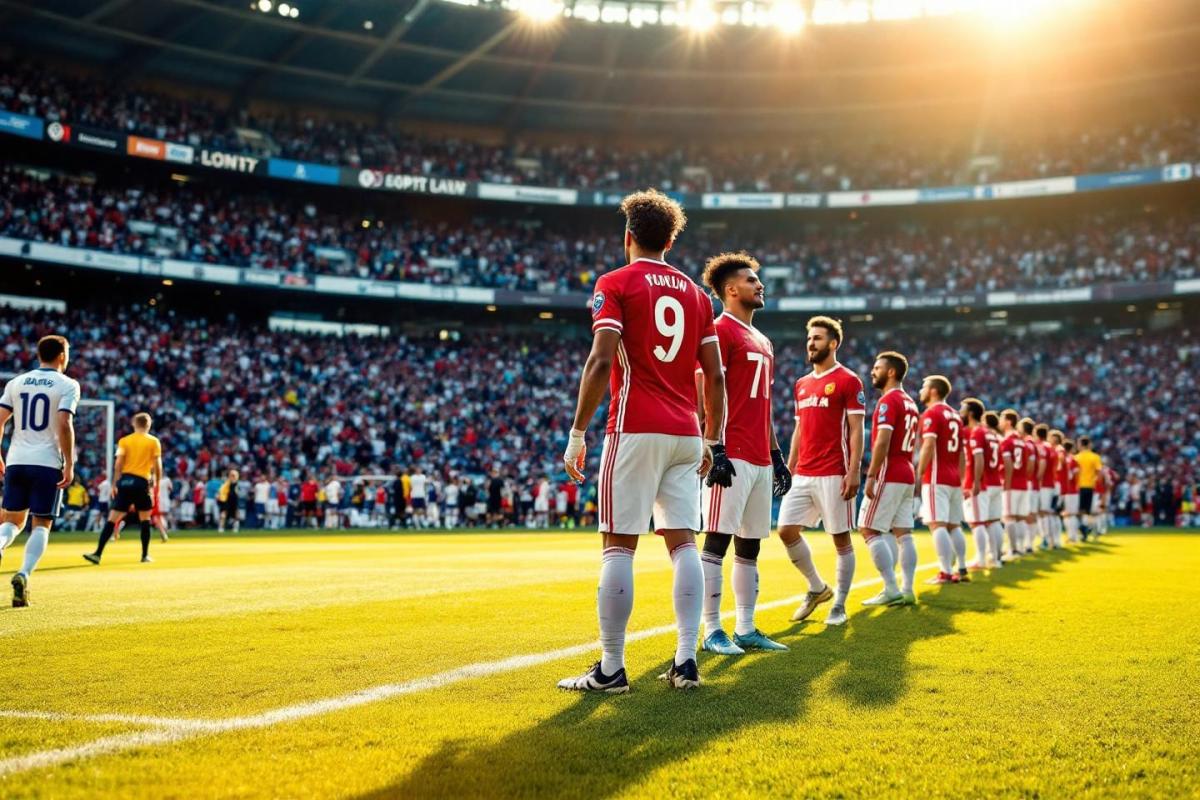
The highly anticipated North London Derby brings significant tactical intrigue as both managers unveil their squad selections for this crucial Premier League encounter. With fresh faces in both dugouts and several key positional battles across the pitch, the confirmed lineups reveal contrasting approaches from the two sides as they prepare to face each other at White Hart Lane.
Tudor’s debut selection and attacking approach
Igor Tudor’s inaugural starting XI as Spurs manager features Randal Kolo Muani leading the line in what represents a significant tactical statement. The Croatian manager has opted for a midfield trio comprising Bissouma, Palhinha, and Sarr, providing defensive solidity whilst allowing creative freedom to Gallagher and Simons in advanced positions. This marks Palhinha’s inclusion in central areas, adding physicality and ball-winning capabilities to the engine room.
The defensive setup sees Gray and Spence occupying the full-back positions, with Dragusin partnering Van de Den in central defence ahead of goalkeeper Vicario. Perhaps the most notable aspect of Tudor’s team selection involves the benching of both Richarlison and Dominic Solanke, two strikers who have featured prominently throughout the campaign. This decision suggests Tudor favours Kolo Muani’s mobility and pressing intensity for this particular fixture.
Among the substitutes, Tudor has included attacking options Tel and the aforementioned forwards, alongside defensive reinforcements Souza and Williams-Barnett. The presence of young prospects like Oluesi and Rowswell on the bench demonstrates the manager’s willingness to blend experience with youthful energy. Austin provides goalkeeping cover, whilst Wilson rounds out the available replacements for tactical adjustments during the match.
Arsenal’s tactical tweaks and attacking threat
Mikel Arteta has implemented two strategic changes from the midweek draw against Wolves, bringing fresh legs and tactical variation to his starting formation. Leandro Trossard earns his place in the lineup, providing width and cutting-edge movement on the flank. The Belgian international’s inclusion adds another dimension to Arsenal’s attacking arsenal, particularly considering his ability to drift inside and create overloads in central zones.
The most intriguing selection sees Eberechi Eze deployed as Arsenal’s number ten, occupying the creative hub behind striker Gyokeres. This decision carries significant historical weight, as Eze netted a memorable hat-trick when these London rivals met earlier this season. Arteta clearly hopes the England international can replicate that spectacular performance, utilising his dribbling prowess and eye for goal in crucial attacking moments.
The defensive structure remains largely unchanged, with Timber and Hincapie flanking the established central partnership of Saliba and Gabriel. Raya continues between the posts, protected by a midfield axis featuring Zubimendi alongside Rice, who brings both defensive discipline and progressive passing qualities. Bukayo Saka completes the attacking quartet, offering pace and directness from wide areas.
Injury considerations and available reinforcements
The bench strength available to Arteta showcases remarkable depth, with high-profile alternatives ready to influence proceedings. Gabriel Jesus provides an experienced striking option should tactical modifications become necessary, whilst Martin Odegaard’s presence offers creative midfield reinforcement. The Norwegian playmaker’s omission from the starting lineup suggests either tactical reasoning or minor fitness management ahead of upcoming fixtures.
Martinelli adds another wide attacking option alongside Madueke, both capable of injecting pace and unpredictability during the latter stages. Arrizabalaga sits as backup goalkeeper, with defensive coverage provided through Mosquera, Calafiori, and the promising Lewis-Skelly. This depth reflects Arsenal’s squad quality and provides Arteta with multiple avenues for in-game adjustments.
| Position | Tottenham starter | Arsenal starter |
|---|---|---|
| Goalkeeper | Vicario | Raya |
| Centre-backs | Dragusin, Van de Den | Saliba, Gabriel |
| Central midfield | Bissouma, Palhinha, Sarr | Zubimendi, Rice |
| Striker | Kolo Muani | Gyokeres |
Key tactical battles and match-defining factors
The midfield confrontation promises to be particularly fascinating, with Spurs deploying a three-man engine room against Arsenal’s double pivot. Palhinha’s combative style will test Rice’s positioning discipline, whilst Bissouma and Sarr must control tempo against Zubimendi’s technical quality. The numerical advantage in central areas gives Spurs theoretical control, yet Arsenal’s quality in wide positions could exploit spaces left by Tudor’s formation.
The striking duel between Kolo Muani and Gyokeres represents contrasting styles, with the former offering mobility and link-up play whilst the latter provides physical presence and clinical finishing. How these forwards interact with their respective defensive lines will likely determine goalscoring opportunities throughout the ninety minutes.
Several factors merit particular attention :
- Eze’s creative influence against Spurs’ midfield screen
- Spence and Gray’s defensive resilience against Saka and Trossard
- Set-piece situations given both teams’ aerial capabilities
- Substitution timing and impact from deep benches
With both managers selecting attack-minded formations, this Derby promises entertainment and tactical intrigue. The confirmed squads demonstrate ambition from both sides, setting the stage for another memorable chapter in this historic rivalry. Fresh managerial perspectives, returning stars, and tactical flexibility ensure unpredictability as these North London giants collide once more.