








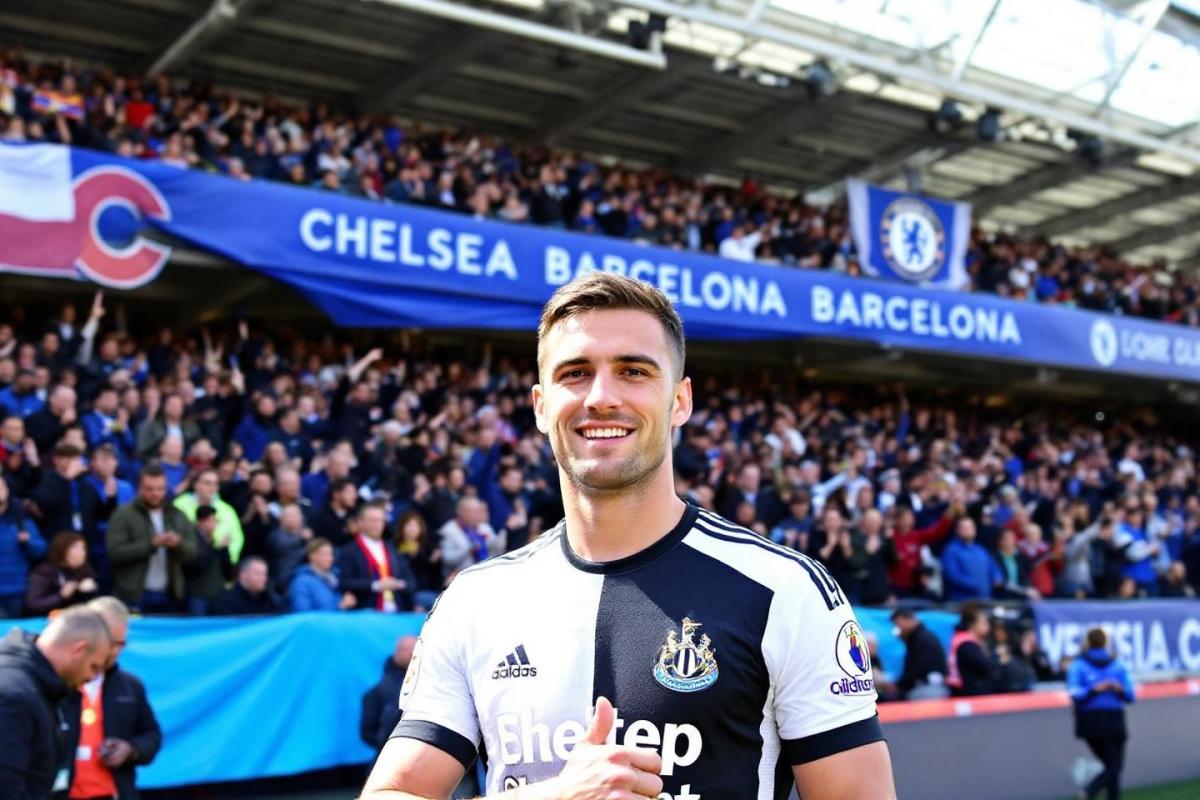
The Magpies have delivered a statement of intent to Europe’s footballing giants, demonstrating their readiness to challenge established powerhouses. Newcastle’s Champions League campaign has showcased their attacking prowess and mental fortitude, proving they belong among the continent’s elite competitors. With 26 goals scored across their European matches, Eddie Howe’s squad has emerged as the most prolific offensive force in the competition, signalling their arrival on football’s grandest stage.
The transformation witnessed at St James’ Park represents more than statistical achievements. It reflects a cultural shift within the club, where ambition meets execution. The Tyneside outfit’s ability to dominate opponents whilst maintaining composure against heavyweight opposition has caught the attention of traditional European powers, establishing Newcastle as a genuine threat in continental competition.
European dominance speaks volumes about ambition
Newcastle’s remarkable run through the Champions League group stage demonstrates tactical maturity and squad depth. The club achieved six victories in a single European campaign for the first time in their history, dismantling opponents systematically across various tactical setups. This achievement becomes particularly impressive when considering the calibre of opposition faced throughout the competition.
The Azerbaijan champions Qarabag, who previously secured positive results against Chelsea and defeated prestigious clubs like Benfica, Eintracht Frankfurt and Copenhagen, were comprehensively outplayed by Howe’s side. Similarly impressive victories against Benfica, PSV Eindhoven, Athletic Club and Union Saint-Gilloise underlined Newcastle’s tactical versatility and mental resilience. These weren’t narrow victories or fortunate results; they represented commanding performances that announced Newcastle’s credentials to the football world.
Even against established European royalty, the Geordie giants held their ground admirably. The 1-1 draw against Paris Saint-Germain in the French capital showcased their ability to neutralise elite opposition in hostile environments. Despite a narrow 2-1 defeat to Barcelona in their opening fixture, Newcastle demonstrated they could compete toe-to-toe with Spanish football’s finest, losing only marginally against one of Europe’s most decorated institutions.
| Opposition | Result | Competition stage |
|---|---|---|
| Paris Saint-Germain | 1-1 Draw | Group stage |
| Barcelona | 1-2 Loss | Opening match |
| Qarabag | Victory | Group stage |
| Union Saint-Gilloise | 3-2 Victory | Second leg |
Resilience emerges through adversity and self-reflection
The journey towards European success hasn’t followed a straightforward path. Following a disappointing 3-2 home defeat against Brentford earlier this month, sections of St James’ Park faithful expressed their frustration audibly. Howe acknowledged publicly that his performance standards weren’t meeting expectations, admitting he wasn’t executing his responsibilities “well enough” during that difficult period.
This moment of crisis prompted profound introspection from the Newcastle manager, whilst simultaneously galvanising the playing squad. The players responded by committing to “fight for the manager”, demonstrating the unity and collective spirit that defines successful football clubs. This solidarity translated into tangible results, with Newcastle securing four victories from their subsequent five fixtures across all competitions.
The turnaround exemplifies modern football management at its finest. Rather than deflecting criticism or making excuses, Howe engaged in honest self-assessment, creating an environment where accountability drives improvement. His players reciprocated this honesty with performances that secured qualification to the knockout stages, validating the club’s investment in both infrastructure and talent.
Defender’s confidence reflects collective mentality
Dan Burn’s public statements capture the prevailing mood within the Newcastle dressing room. The defender articulated his belief that the squad can “compete with anybody” when performing at optimal levels. His assessment isn’t based on hollow optimism but grounded in tangible evidence accumulated throughout their European campaign.
Burn specifically highlighted the Paris Saint-Germain performance as proof of Newcastle’s capabilities, noting how the team elevates their execution against superior opposition. This psychological advantage—where Newcastle raises their game when facing elite competitors—represents a crucial characteristic of championship-calibre teams. The following factors contribute to Newcastle’s competitive edge :
- Tactical flexibility allowing adaptation to different opponents and systems
- Mental resilience demonstrated through recovery from setbacks and criticism
- Attacking potency evidenced by leading goalscoring statistics
- Squad unity and commitment to collective objectives
- Home advantage at St James’ Park creating intimidating atmosphere
Premier League competitiveness breeds European success
The challenging nature of English top-flight football inadvertently prepares clubs for continental competition. Even struggling Premier League sides like Tottenham Hotspur, currently fighting relegation domestically, managed to finish strongly in the Champions League’s league phase. This phenomenon highlights how week-to-week intensity in England develops characteristics necessary for European success.
Newcastle benefits from this competitive environment whilst simultaneously managing significant financial disparities compared to continental giants. The revenue gap between Premier League clubs and certain European competitors might suggest English dominance should be expected. However, Newcastle’s commanding victories against seasoned European campaigners weren’t predetermined outcomes but earned achievements requiring execution and determination.
The Magpies’ message resonates clearly : they welcome challenges from Chelsea, Barcelona and any other ambitious club seeking to test their mettle. This confidence stems from proven performance rather than empty rhetoric, establishing Newcastle as legitimate contenders capable of matching Europe’s established hierarchy.