







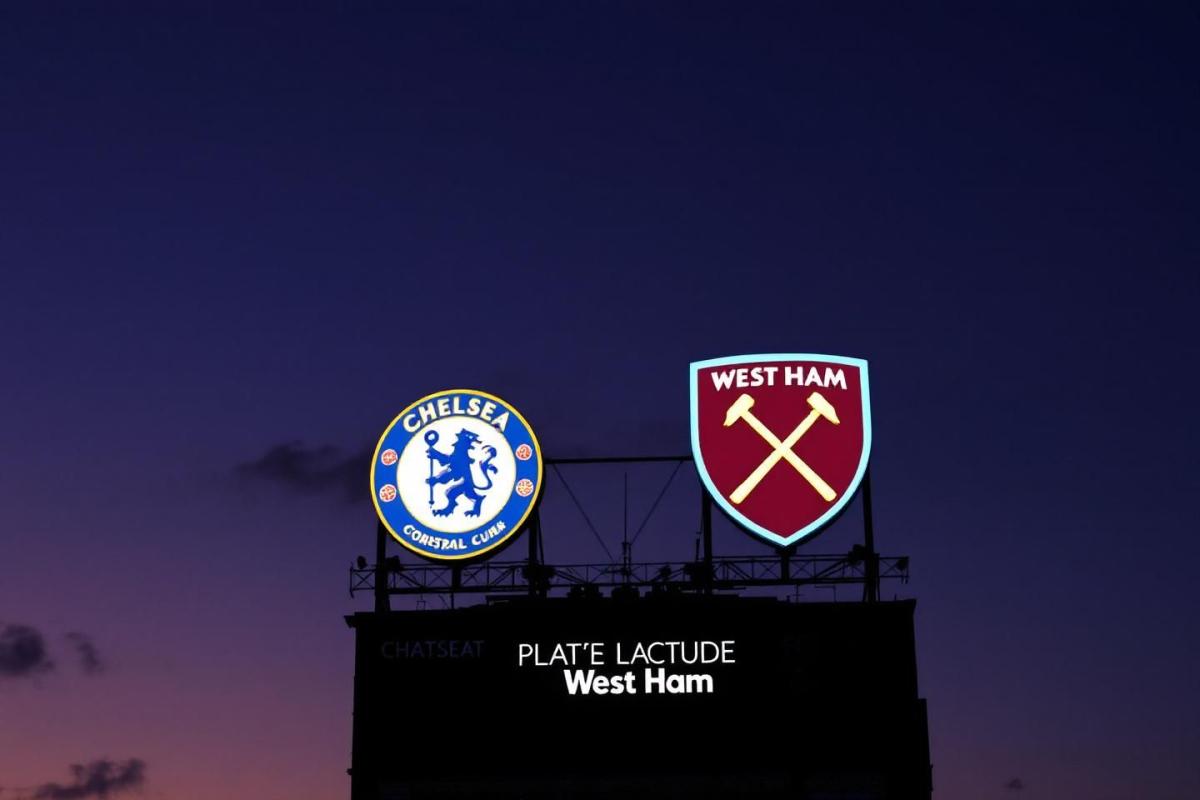
The Football Association has imposed substantial financial penalties on two Premier League clubs following a dramatic incident that marred an already intense London derby. The sanctions, totalling over £600,000, represent one of the most significant punishments handed down this season for on-field misconduct involving multiple players from both sides.
Regulatory commission delivers hefty sanctions
An independent regulatory commission conducted a thorough examination of the events that unfolded during the final moments of a thrilling match at Stamford Bridge. The commission’s findings resulted in Chelsea receiving a £325,000 fine, whilst their opponents were ordered to pay £300,000 for their involvement in what officials described as a serious breach of conduct regulations.
The written reasons published by the commission outlined several aggravating factors that influenced the severity of the penalties. Both teams demonstrated behaviour that fell considerably short of expected professional standards, with numerous players from each side participating in the disorder that followed a controversial moment near the corner flag.
The commission emphasised that whilst Chelsea acknowledged their responsibility and expressed genuine remorse for the incident, this did not diminish the gravity of what transpired. The regulatory body stressed that such confrontations pose risks not only to player safety but also to the sport’s reputation as a family-friendly spectacle watched by millions globally.
Sequence of events leading to the altercation
The chaotic scenes erupted immediately after an injury-time winner secured a remarkable comeback victory for the home side. Having trailed by two goals earlier in the match, Chelsea managed to overturn the deficit and claim all three points with a dramatic 3-2 triumph, scored by their midfielder in the dying seconds of added time.
According to the commission’s detailed analysis, the catalyst for the mass confrontation stemmed from actions involving Cucurella and Traore near the corner quadrant. The investigation revealed that Cucurella, after conceding a corner and returning to his feet, engaged in provocative behaviour designed to elicit a response from his opponent.
| Club | Fine amount | Key factors |
|---|---|---|
| Chelsea | £325,000 | Player provocation, crowd incitement, multiple participants |
| West Ham United | £300,000 | Disproportionate reaction, widespread player involvement |
The commission found that whilst Cucurella bore some responsibility for instigating the conflict, Traore’s response was deemed disproportionate and ultimately triggered the escalation that followed. This distinction proved crucial in understanding how a relatively minor confrontation between two individuals spiralled into a situation requiring intervention from match officials, coaching staff, and security personnel.
Player conduct under scrutiny
The regulatory body’s investigation uncovered particularly concerning behaviour from several Chelsea players who attempted to incite crowd reactions during and after the incident. The commission stated categorically that no justification existed for such conduct, regardless of the emotions running high or any perceived injustices that may have occurred during the match itself.
On the visiting side, the commission noted that beyond Todibo’s involvement, no violent conduct was recorded from other West Ham United players. However, investigators determined that a significant number of their squad members behaved in an improper and provocative manner that contributed substantially to what was described as a serious and unsightly spectacle.
The findings highlighted several specific concerns :
- Multiple players from both teams rushing towards the initial confrontation
- Aggressive gesturing and verbal exchanges between opposing squad members
- Attempts to engage supporters in the immediate vicinity of the incident
- Failure of senior players to de-escalate tensions when opportunities arose
Implications for professional standards
These substantial fines serve as a stark reminder of the Football Association’s commitment to maintaining discipline and professionalism within elite football. The sanctions reflect growing concerns about player behaviour during high-pressure situations and the potential for isolated incidents to escalate into dangerous confrontations.
Both clubs have accepted the charges and cooperated fully with the investigation, a factor that was considered in the commission’s deliberations. However, officials made clear that acceptance of responsibility does not diminish the seriousness of the offences committed or the need for deterrent penalties that send a message throughout the professional game.
The incident has prompted renewed discussions about emotional control and professional conduct within football’s competitive environment. Coaching staff at both clubs are expected to address these issues comprehensively with their squads to prevent similar occurrences in future fixtures. League officials have indicated that repeat offences would attract even more severe sanctions, potentially including point deductions or restrictions on player registrations for future transfer windows.