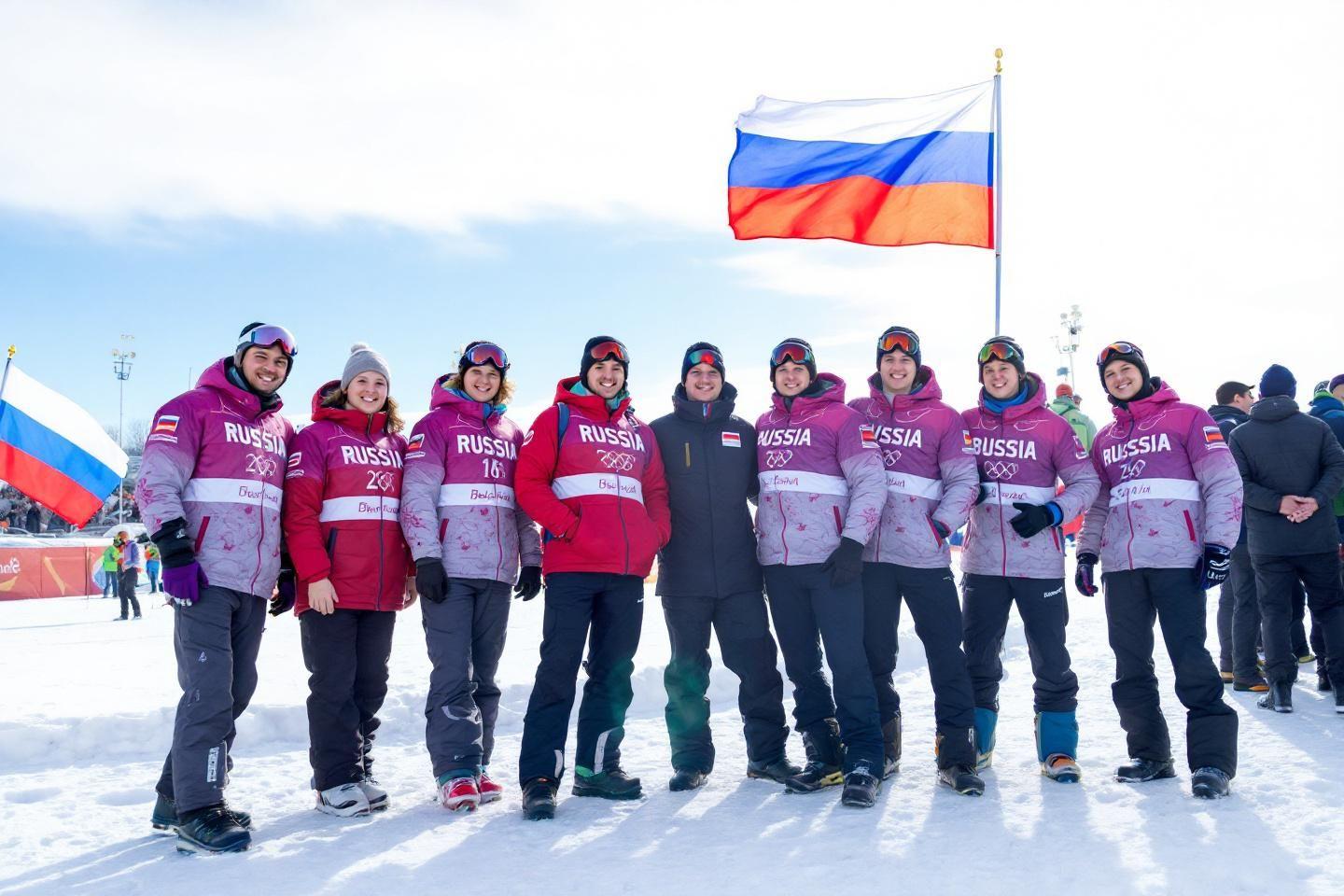
The upcoming Winter Paralympics in Milan-Cortina marks a significant shift in international sports policy, as athletes from Russia and Belarus prepare to participate under their respective national flags. This development follows months of complex negotiations and legal proceedings that have reshaped the landscape of Paralympic competition. The International Paralympic Committee’s decision to allow ten athletes—six Russians and four Belarusians—to represent their countries has sparked intense debate within the global sporting community and political spheres alike.
The participation of these competitors represents a notable departure from the stringent restrictions imposed since 2022. These restrictions were initially implemented following Russia’s military intervention in Ukraine, with Belarus being identified as a key supporter of Russian actions. The evolution from complete suspension to neutral participation, and now to full national representation, illustrates the intricate balance between sporting fairness and geopolitical considerations that international organizations must navigate.
Legal victory reshapes Paralympic participation rules
The pathway for Russian and Belarusian athletes to compete under their national flags was paved through a landmark legal challenge at the Court of Arbitration for Sport in December. This tribunal ruled in favor of both nations in their appeal against FIS, the international federation governing skiing and snowboarding disciplines. The ruling fundamentally altered the competitive landscape by not only permitting participation but also enabling these athletes to accumulate crucial ranking points necessary for qualification.
This legal decision created a domino effect across Paralympic winter sports. Initially, the four individual governing bodies responsible for the six sports featured in the Winter Paralympics program had maintained their own prohibitions, independent of broader IPC policy. However, the Court of Arbitration for Sport ruling effectively superseded these individual federation decisions, compelling a unified approach to athlete eligibility across multiple disciplines.
The International Paralympic Committee subsequently confirmed the allocation of bipartite commission invitations to the ten athletes. These invitations function as a mechanism to ensure broader representation at the Games when athletes might not otherwise qualify through standard competitive channels. The distribution of these slots reflects careful consideration of both competitive merit and the principle of international representation that underpins the Paralympic movement.
Distribution of athlete slots across winter disciplines
The allocation of competing positions reveals a strategic distribution across three primary Paralympic winter sports. Russian athletes have received six total positions, demonstrating the country’s breadth of talent across multiple disciplines. The breakdown includes representation in Para-alpine skiing, Para-cross country skiing, and Para-snowboarding, ensuring Russian participation spans the spectrum of winter Paralympic competition.
| Country | Para-alpine skiing | Para-cross country skiing | Para-snowboarding | Total athletes |
|---|---|---|---|---|
| Russia | 2 (1 male, 1 female) | 2 (1 male, 1 female) | 2 (both male) | 6 |
| Belarus | 0 | 4 (1 male, 3 female) | 0 | 4 |
Belarusian representation focuses exclusively on cross-country skiing, with all four athlete positions allocated to this single discipline. This concentration includes one male competitor and three female athletes, highlighting the particular strength of Belarus in endurance-based winter sports. The gender distribution across both delegations reflects efforts to maintain balanced representation, though the Russian allocation achieves greater parity across its various discipline assignments.
The discipline-specific allocation patterns reveal interesting competitive dynamics. Para-snowboarding positions went exclusively to Russian male athletes, while cross-country skiing demonstrates the broadest international representation with competitors from both nations. Alpine skiing positions were reserved entirely for Russian athletes, with one position each for male and female competitors in this technically demanding discipline.
International political response and criticism
The decision to permit national flag representation has provoked substantial criticism from multiple international stakeholders. Ukraine’s Sports Minister Matvii Bidnyi characterized the development as both disappointing and outrageous, reflecting the profound emotional and political dimensions surrounding this sporting decision. His response underscores the deep tensions that persist between athletic competition ideals and ongoing geopolitical conflicts.
British Culture Secretary Lisa Nandy added her voice to the chorus of opposition, describing the decision as completely wrong. Her statement emphasized the symbolic implications of allowing national representation while military operations continue. The key concerns articulated by political leaders include :
- The message sent to the international community about accountability and consequences for aggressor nations
- The potential normalization of military actions through sports participation
- The impact on Ukrainian athletes competing alongside representatives from nations involved in the conflict
- The precedent established for future international sporting events and their relationship with geopolitical disputes
These political responses highlight the complex intersection of sports, diplomacy, and international relations. The controversy extends beyond mere athletic competition, touching upon fundamental questions about the role of international sports organizations in responding to global conflicts and their capacity to enforce meaningful consequences while maintaining the universal principles of Paralympic participation.
Evolution of sanctions and competitive status
The trajectory of restrictions placed on Russian and Belarusian Paralympic athletes demonstrates a gradual relaxation of penalties over time. The initial response in 2022 involved complete suspension from Paralympic competition, representing the most severe measure available to international sporting bodies. This blanket prohibition reflected the immediate international reaction to the escalation of military operations and Belarus’s supporting role.
By 2023, policy had evolved toward a partial ban framework that introduced the concept of neutral athlete status. Under this intermediate arrangement, competitors from both nations could participate without national symbols, anthems, or flag representation. This compromise attempted to balance the principles of individual athlete rights against collective national accountability, though it satisfied neither those advocating for complete exclusion nor those supporting unrestricted participation.
The current situation represents the third phase in this evolving policy landscape. The restoration of national flag privileges marks a significant normalization of competitive status, though questions remain about whether this represents permanent policy or remains subject to further revision based on geopolitical developments. The Milan-Cortina Games will serve as a crucial test case for how this new framework functions in practice and whether it can withstand continued political pressure from opposing stakeholders.
