







The Winter Olympics witnessed a dramatic incident during the short track speed skating competition when Kamila Sellier, representing Poland, suffered a severe facial injury requiring immediate surgical intervention. The accident occurred during a high-speed race, highlighting the inherent dangers athletes face in this demanding sport where competitors reach velocities exceeding 50 kilometers per hour on ice.
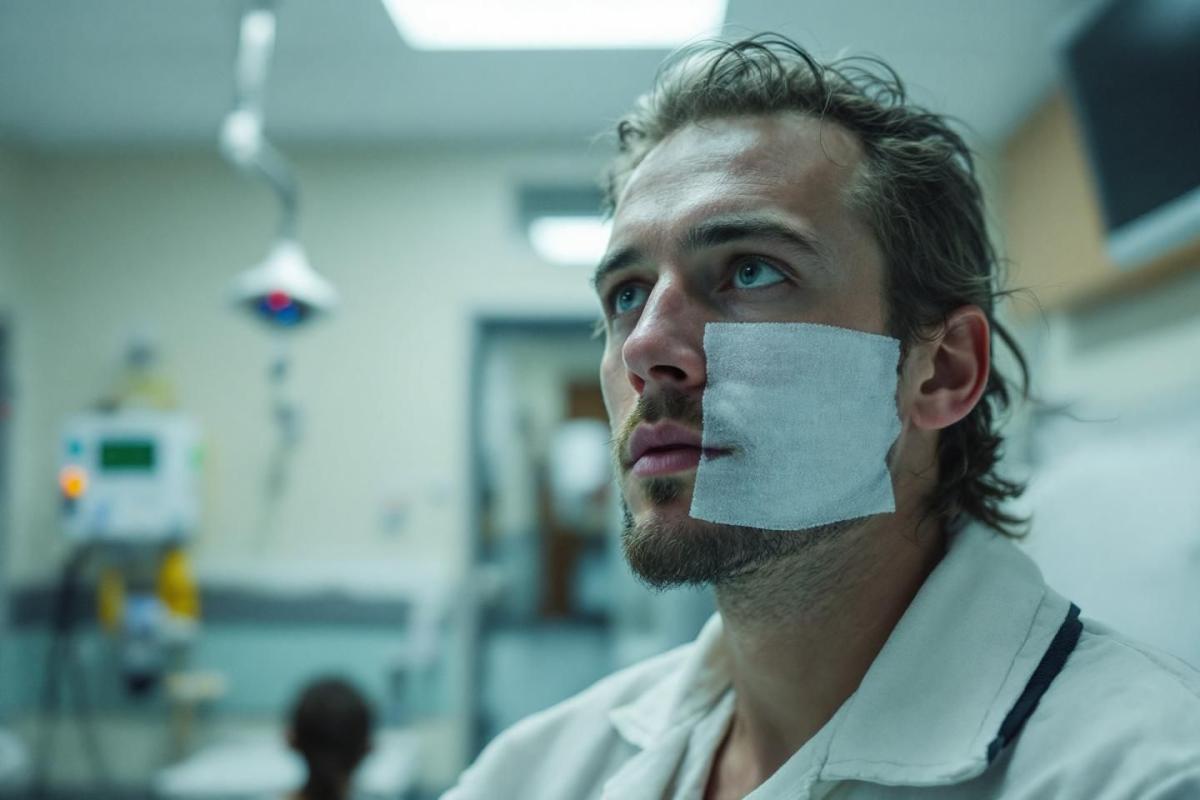
Sellier’s injury necessitated urgent medical attention at the venue before she was transported to a medical facility for comprehensive treatment. The Polish delegation confirmed that the athlete underwent facial reconstruction surgery following the collision, which involved a skate blade striking the right portion of her face during the competitive event.
Emergency medical response and surgical intervention
The medical team at the arena immediately attended to Sellier, administering initial stitches to stabilize her condition before transfer. This rapid response proved crucial in managing the traumatic injury sustained during the short track competition. Polish team representatives indicated that the athlete received surgery on the evening of February 21, demonstrating the severity of the blade-related trauma.
According to statements from the Polish delegation spokesperson, the operation was completed successfully, with Sellier reported to be in stable condition following the procedure. Medical personnel scheduled additional examinations to assess potential damage to her ocular region, an area of particular concern given the location and nature of the impact. The comprehensive evaluation aimed to determine whether permanent damage had occurred to her vision or surrounding structures.
The athlete herself provided reassurance through social media, posting from her hospital room while deliberately cropping the injured portion of her face from the image. Her message conveyed both resilience and gratitude, acknowledging the support she received while expressing confidence in her recovery. The selfie demonstrated remarkable courage during a challenging moment in her athletic career.
| Timeline | Event | Status |
|---|---|---|
| During race | Blade collision with face | Immediate injury |
| At venue | Emergency stitches applied | Stabilized |
| Evening transfer | Hospital admission | Surgical preparation |
| Night of February 21 | Facial surgery performed | Successfully completed |
| Following morning | Additional eye examinations | Ongoing assessment |
The circumstances surrounding the crash
The incident occurred during a race that also involved Italian skater Arianna Fontana, a veteran competitor seeking to equal the all-time Winter Olympics medal record. The 35-year-old athlete was attempting to match Norwegian cross-country skiing legend Marit Bjorgen’s achievement as the most decorated Winter Olympian in history, adding significant competitive pressure to the event.
Fontana herself sustained minor injuries during the crash, with her racing suit torn and requiring attention from her physiotherapist for her left hip area. Despite the collision causing a racing pause, she managed to continue competing and advanced to the final round. However, the disruption potentially affected her performance, as she finished in fifth position, failing to secure what would have been her third medal at these home Games.
The crash underscored several critical aspects of short track speed skating safety :
- High-velocity collisions can occur unexpectedly as athletes navigate tight turns in close proximity
- Protective equipment, while essential, cannot prevent all injuries from sharp blade contact
- Mental resilience becomes crucial for competitors continuing after witnessing teammate injuries
- Medical response protocols must accommodate both immediate stabilization and comprehensive surgical care
Athlete resilience and recovery prospects
Sellier’s response to her injury demonstrated exceptional mental strength, a quality essential for elite athletes facing career-threatening setbacks. Her Instagram message revealed a perspective focused on future reflection rather than immediate trauma, suggesting a mindset oriented toward recovery and eventual return to competition. The Polish athlete’s words resonated with supporters worldwide, emphasizing themes of perseverance through adversity.
The medical team’s cautious approach, particularly regarding potential eye damage, reflected standard protocol for facial blade injuries in speed skating. Vision preservation remains paramount, as any impairment could end a competitive career in sports requiring split-second visual processing and spatial awareness. The comprehensive testing scheduled for the days following surgery would determine the extent of recovery needed.
Polish officials maintained regular communication with media outlets, providing updates while respecting medical privacy. Their confirmation that Sellier was doing quite well aligned with her own social media assessment, though both parties acknowledged the need for continued monitoring. The athlete’s stability following such a traumatic incident offered hope for complete recovery, though the timeline remained uncertain pending further medical evaluations and the healing process itself.