








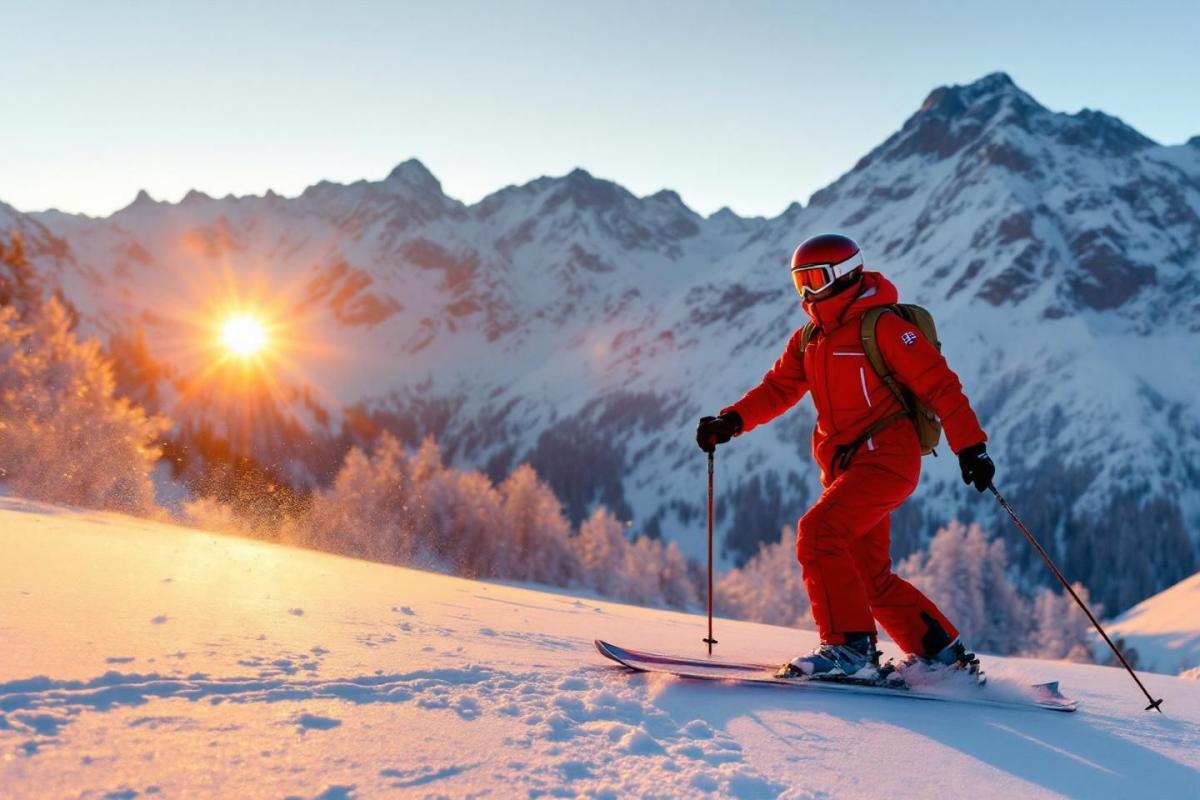
When Milan Cortina 2026 wrapped up, one nation stood alone at the summit once again. With 18 gold medals and 41 total podium finishes, the Scandinavian powerhouse extended its remarkable streak of dominance in winter sports that began in Pyeongchang 2018. This small Nordic country, home to roughly 5.5 million citizens—comparable to South Carolina’s population—consistently outperforms giants like China, Germany, and the United States. The question isn’t whether they’ll win, but rather how they maintain such extraordinary success against nations with populations dozens of times larger. Understanding their approach reveals lessons that American sports organizations desperately need to implement if they hope to reverse declining youth participation and develop sustainable athletic excellence.
The grassroots philosophy that builds champions without pressure
The foundation of Scandinavian winter sports supremacy lies in a radically different approach to youth athletic development. Until age 12, Norwegian children participating in organized sports experience something virtually unknown in American culture : competition without scorekeeping. No league tables exist, no rankings divide winners from losers, and every participant receives recognition regardless of performance. This intentional design removes the destructive pressure that drives American children away from sports in alarming numbers.
Tore Øvebrø, who directs elite sport programs for the Scandinavian nation, explains the underlying philosophy : “Many big sporting systems are more occupied with getting rid of people at young ages than developing many. Selection is another way of getting rid of people. We are few. We have to take care of everybody.” This inclusive model prevents premature specialization and encourages children to explore multiple athletic disciplines. Johannes Høsflot Klæbo, who became the most decorated Winter Olympian in history with 11 gold medals after winning six more in Italy, initially believed his future lay in soccer. Without pressure to specialize early, he discovered his true calling in cross-country skiing.
Similarly, Erling Haaland—now one of soccer’s most feared strikers—trained alongside 39 boys and one girl in a mixed development group at Bryne FK until age 16. The group never split into hierarchical teams, nobody dropped out, and several eventually turned professional. This approach recognizes that talent reveals itself on different timelines, and early bloomers don’t always become elite athletes. By maintaining broad participation, the system captures talent that might otherwise be lost through premature elimination.
Collaboration over competition : building excellence through shared knowledge
Once athletes reach elite levels, the Nordic approach continues to differ dramatically from American models. Geir Jordet, professor of psychology and soccer at the Norwegian School of Sports Sciences in Oslo, summarizes his nation’s success formula in three words : “Collaboration, communication, and care.” The country’s small size facilitates unprecedented cooperation among athletes, coaches, scientists, and programs across different sports.
The Olympic Sports Center sits merely 10 meters from the Sport University, creating natural opportunities for knowledge exchange between academia and practice. Athletes from various disciplines train together, share insights, and learn from each other’s experiences. This collaborative culture, supported by cutting-edge science and technology including functional psychology applications, creates a rising tide that lifts all programs simultaneously.
| Aspect | Norwegian model | American model |
|---|---|---|
| Youth competition | No scores until age 12 | Competitive from age 7 |
| Specialization timing | Encouraged to try multiple sports | Early specialization common |
| Financial barriers | Minimal costs, universal access | Travel teams cost $20,000+ annually |
| Elite development | Collaborative, integrated with research | Competitive, commercially driven |
This cooperative rather than competitive ethos extends throughout the athletic ecosystem. Programs share resources, methodologies, and personnel. The emphasis remains on developing human potential rather than eliminating candidates who don’t immediately demonstrate promise. By age 25, 93% of Norwegians have participated in organized sports—a staggering participation rate that ensures the largest possible talent pool.
What American sports culture gets catastrophically wrong
The contrast with United States youth sports couldn’t be starker or more troubling. Comedian Josh Mancuso’s viral video satirizing travel baseball captured a painful truth : seven-year-olds competing in tournaments across Costa Rica and Ecuador, requiring $27,000 per family in equipment, fees, and travel expenses. While exaggerated for comedic effect, the underlying reality resonates because it’s frighteningly accurate. High-pressure, expensive youth programs have become normalized despite catastrophic dropout rates.
According to the American Academy of Pediatrics, 70% of youth athletes abandon organized sports by age 13. The primary reasons ? Injury, burnout, and lost enjoyment. Author Brad Stulberg, who wrote “The Way of Excellence,” identifies the core problem : “The number one reason kids quit sports is because it’s no longer fun. The number two reason is because they feel too much pressure.” When Stulberg highlighted Scandinavian success principles on Instagram, some American parents reacted defensively, illustrating how deeply dysfunction has embedded itself in youth sports culture.
The Norwegian approach prioritizes these fundamental principles :
- Universal accessibility with no financial barriers to participation
- Long-term athlete development over immediate results
- Enjoyment and intrinsic motivation as foundations for excellence
- Social skill development through exposure to multiple sports cultures
- Collaborative rather than eliminative selection processes
This egalitarian society distributes wealth and resources evenly, ensuring that talent can emerge regardless of socioeconomic background. No child gets priced out of participating, and programs focus on retention rather than elimination. The result ? By maintaining participation through adolescence, they develop athletes who possess not only physical skills but also psychological resilience and intrinsic motivation.
Transforming American athletic development for sustainable success
The discontinuation of sports during childhood directly contributes to more than 75% of American adolescents failing to meet physical activity recommendations, according to pediatric researchers. This public health crisis stems from the same systemic problems preventing Olympic success. American organizations need to fundamentally rethink their approach, implementing reforms that prioritize long-term development over short-term victories.
Stulberg argues that releasing pressure and keeping sports enjoyable benefits everyone : “It behooves us to keep sports fun, to try to release the pressure, to develop a love for sport and then keep them in sport so that later on they can be competitive.” The Scandinavian model proves that emphasizing participation doesn’t sacrifice excellence—it creates the conditions for sustained, repeatable success across generations.
American programs could adopt several concrete changes : delay competitive leagues until middle school, eliminate expensive travel requirements for young children, encourage multi-sport participation through high school, and create collaborative rather than competitive relationships between programs. These changes wouldn’t just improve Olympic medal counts; they’d address the youth health crisis while developing more complete athletes who reach their potential on realistic timelines rather than burning out before adolescence.
The lesson from Nordic supremacy extends beyond winter sports into summer disciplines as well. With Olympic champions in beach volleyball, track and field, triathlon, and world-class performers in golf, tennis, and soccer, the Norwegian system demonstrates that sustainable excellence across sports requires patience, inclusivity, and collaboration rather than premature selection and commercial exploitation of young athletes.