








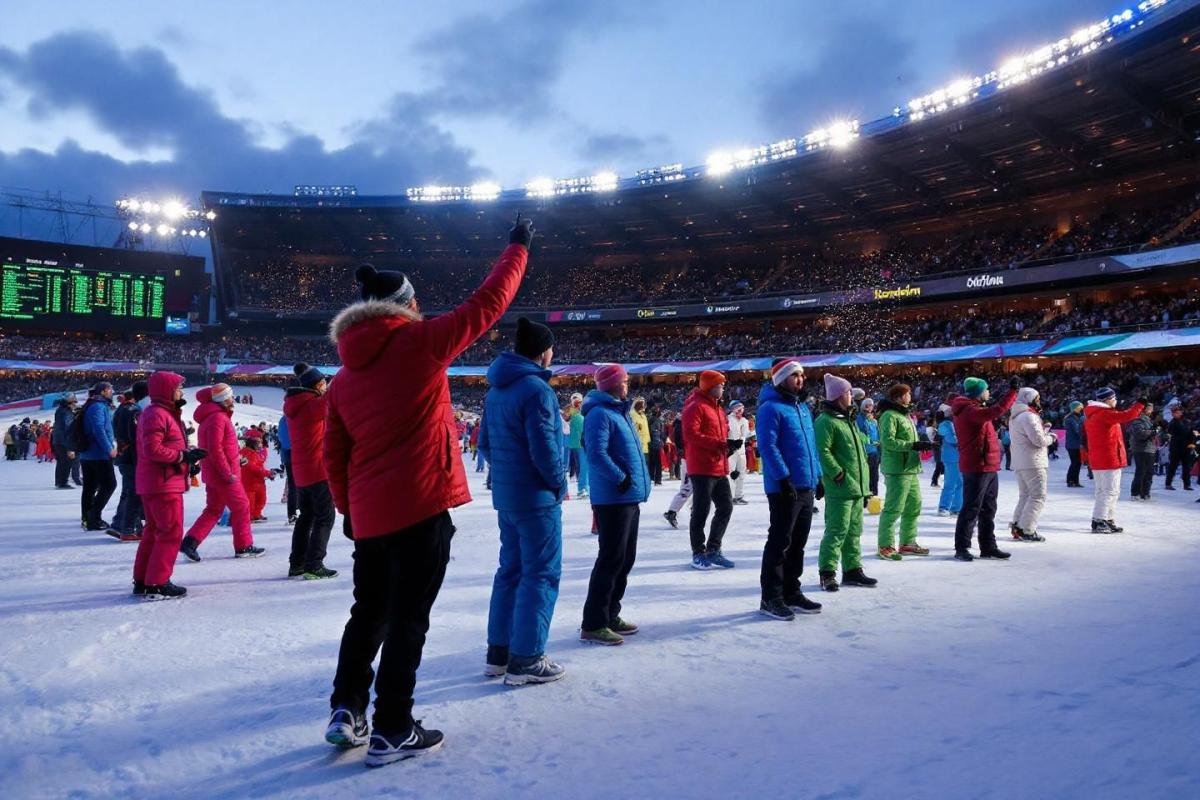
The Milan-Cortina Winter Olympics came to a spectacular end on February 22, 2026, with a closing ceremony that celebrated both athletic excellence and Italian cultural heritage. As the curtain fell on two weeks of intense competition, the event brought together athletes, spectators, and dignitaries from around the globe to honor the achievements of winter sports’ finest competitors. The ceremony, broadcast live from the stunning Alpine setting of Cortina d’Ampezzo, marked the transition from Italy to the next host nation while reflecting on the remarkable performances that defined these Games.
Norway’s dominant performance at the Games
Norway emerged as the undisputed champion of the Milan-Cortina Winter Olympics, securing an impressive haul that reinforced the Nordic nation’s status as a winter sports powerhouse. The Norwegian team captured 18 gold medals, complemented by 12 silver and 11 bronze, bringing their total medal count to 41. This exceptional performance across multiple disciplines demonstrated the depth and quality of Norway’s winter sports program, from cross-country skiing to biathlon and speed skating.
The United States finished in second position with a total of 33 medals, including 12 gold, 12 silver, and 9 bronze. The Americans showcased their versatility across various events, particularly excelling in snowboarding and freestyle skiing. The Netherlands claimed third place with 20 medals overall, maintaining their traditional dominance in speed skating events. Their 10 gold medals reflected a strategic focus on specific disciplines where Dutch athletes have historically excelled.
Host nation Italy delivered a remarkable performance on home snow, finishing fourth with 30 total medals. The Italian team’s success included 10 gold, 6 silver, and 14 bronze medals, providing countless moments of celebration for the passionate local crowds. Germany rounded out the top five with 26 medals, including 8 gold, demonstrating consistent strength across alpine and Nordic events. These results highlighted the competitive balance among Europe’s winter sports nations.
Key highlights from the medal standings
The 2026 Games medal table revealed several interesting patterns and historic achievements. France secured 23 medals with an impressive performance in alpine skiing and biathlon, while Sweden continued its tradition with 18 total medals. Switzerland and Austria, both Alpine nations with deep winter sports heritage, finished with 23 and 18 medals respectively, showcasing their expertise in mountain-based disciplines.
Asian nations made their presence felt throughout the competition. Japan accumulated 24 medals including 5 gold, demonstrating growth in events like figure skating and ski jumping. South Korea and China also contributed significantly, with 10 and 15 medals respectively. Canada’s performance yielded 21 medals, including 5 gold, maintaining its status as a consistent performer in winter sports.
| Position | Country | Gold | Silver | Bronze | Total |
|---|---|---|---|---|---|
| 1 | Norway | 18 | 12 | 11 | 41 |
| 2 | United States | 12 | 12 | 9 | 33 |
| 3 | Netherlands | 10 | 7 | 3 | 20 |
| 4 | Italy | 10 | 6 | 14 | 30 |
| 5 | Germany | 8 | 10 | 8 | 26 |
Emerging nations and first-time participants
One of the most inspiring aspects of the Milan-Cortina Games was the participation of numerous emerging nations in winter sports. Several countries made their Olympic debut or returned after extended absences, demonstrating the growing global reach of winter athletics. Brazil managed to secure a medal, marking a historic achievement for South American winter sports. Australia also contributed 6 medals to the overall tally, proving that winter sports excellence isn’t limited to traditionally cold-climate nations.
The Games welcomed athletes from diverse backgrounds and climates, including representatives from :
- African nations such as Kenya, Nigeria, Madagascar, and South Africa
- Middle Eastern countries including Iran, Lebanon, Saudi Arabia, and the United Arab Emirates
- Caribbean and Central American teams like Jamaica, Haiti, Trinidad and Tobago, and Puerto Rico
- Southeast Asian delegations from Thailand, Philippines, Malaysia, and Singapore
These participating nations, while not medaling, represented the Olympic spirit of inclusion and global participation. Their presence at Milan-Cortina underscored the International Olympic Committee’s efforts to expand winter sports accessibility and development programs worldwide. Countries like Benin, Bolivia, Ecuador, Eritrea, and Guinea-Bissau sent athletes who competed with determination despite limited resources and training facilities.
The legacy and impact of these Olympic Games
The Milan-Cortina Winter Olympics will be remembered not only for the athletic achievements but also for the organizational excellence and cultural celebration that accompanied the sporting competitions. The dual-city hosting arrangement between Milan and Cortina d’Ampezzo showcased Italy’s ability to blend modern infrastructure with historic Alpine charm. The venues, spread across the Lombardy and Veneto regions, provided world-class facilities while maintaining environmental consciousness.
The final medal count demonstrated the continued evolution of winter sports globally. Traditional powerhouses like Norway, Germany, and Austria maintained their competitive edge, while nations like Italy capitalized on home advantage and increased investment in winter sports programs. The success of Asian nations, particularly Japan and South Korea, reflected decades of strategic development in winter athletics.
The closing ceremony itself became a fitting tribute to all participating athletes, volunteers, and organizers who contributed to the Games’ success. As the Olympic flame was extinguished and the ceremonial handover took place, the world looked ahead to the next winter gathering while celebrating the memories created in the Italian Alps. The event concluded with fireworks illuminating the mountain backdrop, symbolizing the bright future of winter sports and the enduring values of Olympic competition.