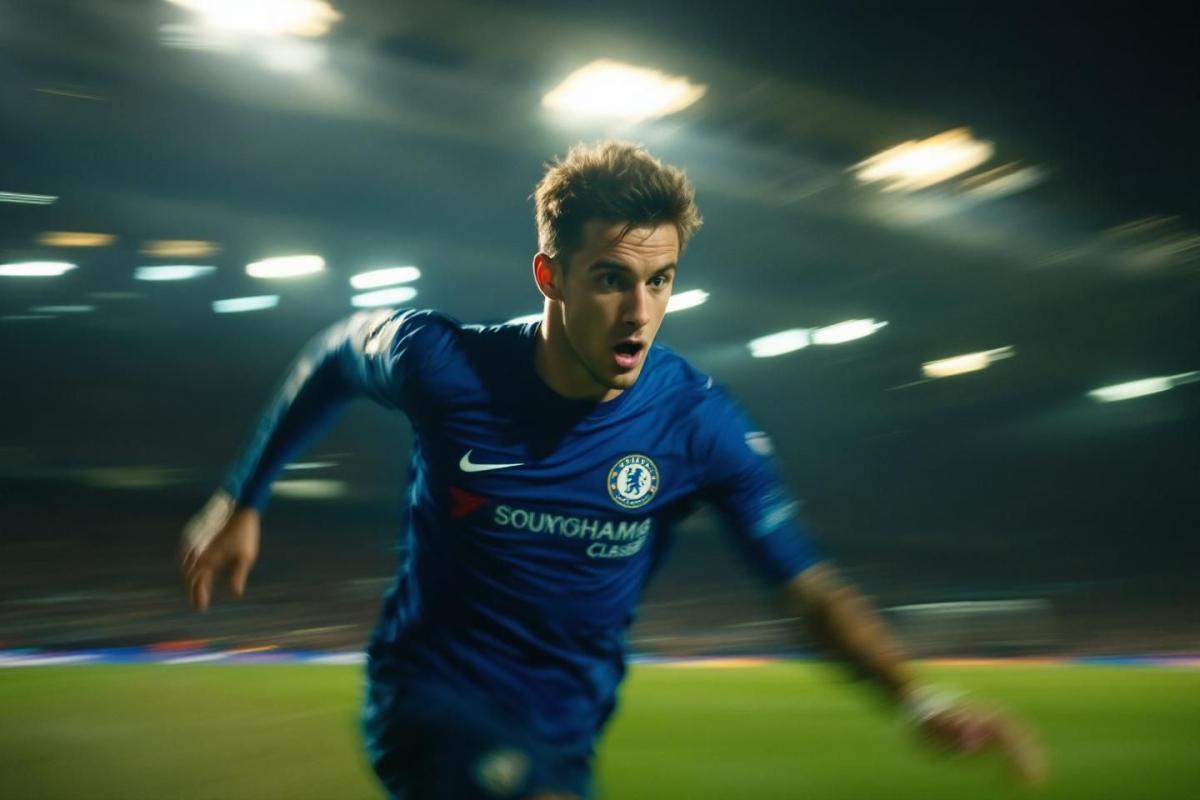
The conversation surrounding Chelsea’s creative talisman has shifted dramatically in recent months. While Cole Palmer’s exceptional talent remains undeniable, questions about his current performances have emerged as a legitimate concern for the Blues. The young England international, who dazzled throughout his debut campaign at Stamford Bridge, appears to be navigating through his first significant rough patch since arriving from Manchester City. Understanding the factors behind this temporary decline requires examining both the physical and tactical elements affecting his game.
Physical demands taking their toll on Palmer’s performance
The relentless schedule faced by modern elite footballers has become a critical talking point, and Palmer exemplifies this challenge perfectly. Maheta Molango, chief executive of the Professional Footballers’ Association, highlighted a concerning pattern when discussing the midfielder’s situation. Without a proper summer respite for three consecutive years, Palmer accumulated an exhausting 112 appearances across all competitions. This figure encompasses club responsibilities, international duties, and tournament commitments including the Club World Cup, European Championship, and Under-21 European Championship.
This punishing workload has manifested in tangible physical consequences. Towards the conclusion of last season, Palmer developed a persistent groin problem that refused to fully resolve. Despite attempts to manage the injury conservatively, he eventually required more than six weeks away from competitive action around December. The timing couldn’t have been worse, as Chelsea desperately needed his creativity during a congested fixture period. Medical staff continue implementing careful monitoring protocols to prevent further complications.
| Season Period | Appearances | Physical Condition |
|---|---|---|
| 2023-24 Season | 48 matches | Mostly healthy |
| Summer 2024 | Tournament football | No recovery period |
| 2024-25 Season | 32 matches | Groin complications |
| December-January | Absence period | Rehabilitation phase |
Tactical adjustments under new management
The arrival of Liam Rosenior as head coach introduced fresh perspectives on squad management and player utilization. Unlike his predecessor Enzo Maresca, who consistently emphasized Palmer’s irreplaceable status within the team, Rosenior has adopted a more pragmatic approach. Multiple individual meetings between manager and player have focused on optimizing Palmer’s contribution while acknowledging current limitations.
A striking example emerged during the recent 2-1 defeat against Arsenal. With Chelsea desperately seeking an equalizer, Rosenior made the counterintuitive decision to substitute Palmer after 83 minutes. This tactical withdrawal raised eyebrows among supporters accustomed to seeing their primary creative outlet remain on the pitch during crucial moments. However, the manager justified the substitution by citing yellow card concerns for both Palmer and Enzo Fernandez, coupled with a desire to inject fresh legs through Alejandro Garnacho and Liam Delap.
Key factors influencing tactical decisions regarding Palmer include :
- Load management strategies to preserve his fitness for upcoming fixtures
- Disciplinary considerations when carrying cautions during high-stakes matches
- Opposition analysis suggesting alternative attacking approaches might prove more effective
- Integration of new signings requiring game time to develop chemistry
Statistical evidence supporting concerns about form decline
Beyond subjective observations, quantitative analysis reinforces the narrative of Palmer’s diminished output. The data reveals notable drops in several performance metrics compared to his spectacular previous campaign. His successful dribble completion rate has decreased, progressive passes into dangerous areas occur less frequently, and his expected goals contribution has fallen below previously established benchmarks.
What makes this situation particularly noteworthy is Palmer’s own acknowledgment of underperformance. The reigning PFA Young Player of the Year, who earned recognition as the eighth-best player globally at the Ballon d’Or ceremony in September, has candidly admitted he hasn’t rediscovered his fluid, brilliant best. This self-awareness demonstrates maturity but also underscores the gap between current performances and established standards.
Institutional support and future outlook
Despite the temporary setback, Chelsea’s internal assessment remains overwhelmingly positive. Palmer maintains his classification as “untouchable” within the club hierarchy, a designation reflecting both his technical abilities and commercial value. This institutional backing provides a foundation for recovery, as patience and strategic planning replace panic-driven decisions.
The challenge facing Rosenior and his coaching staff involves balancing short-term competitive demands with long-term player development. Molango’s observation about millionaire athletes needing proper rest carries particular resonance. Financial compensation doesn’t provide additional physical capacity, and Palmer’s situation illustrates the universal biological limitations affecting even the most gifted performers.
Looking ahead, several factors will determine whether Chelsea can successfully navigate this challenging period. Continued medical vigilance regarding the groin issue remains paramount. Tactical flexibility allowing Palmer to operate in positions minimizing physical strain could prove valuable. Perhaps most importantly, gradually rebuilding his confidence through positive performances will ultimately restore the exceptional form that made him one of European football’s most exciting talents.
