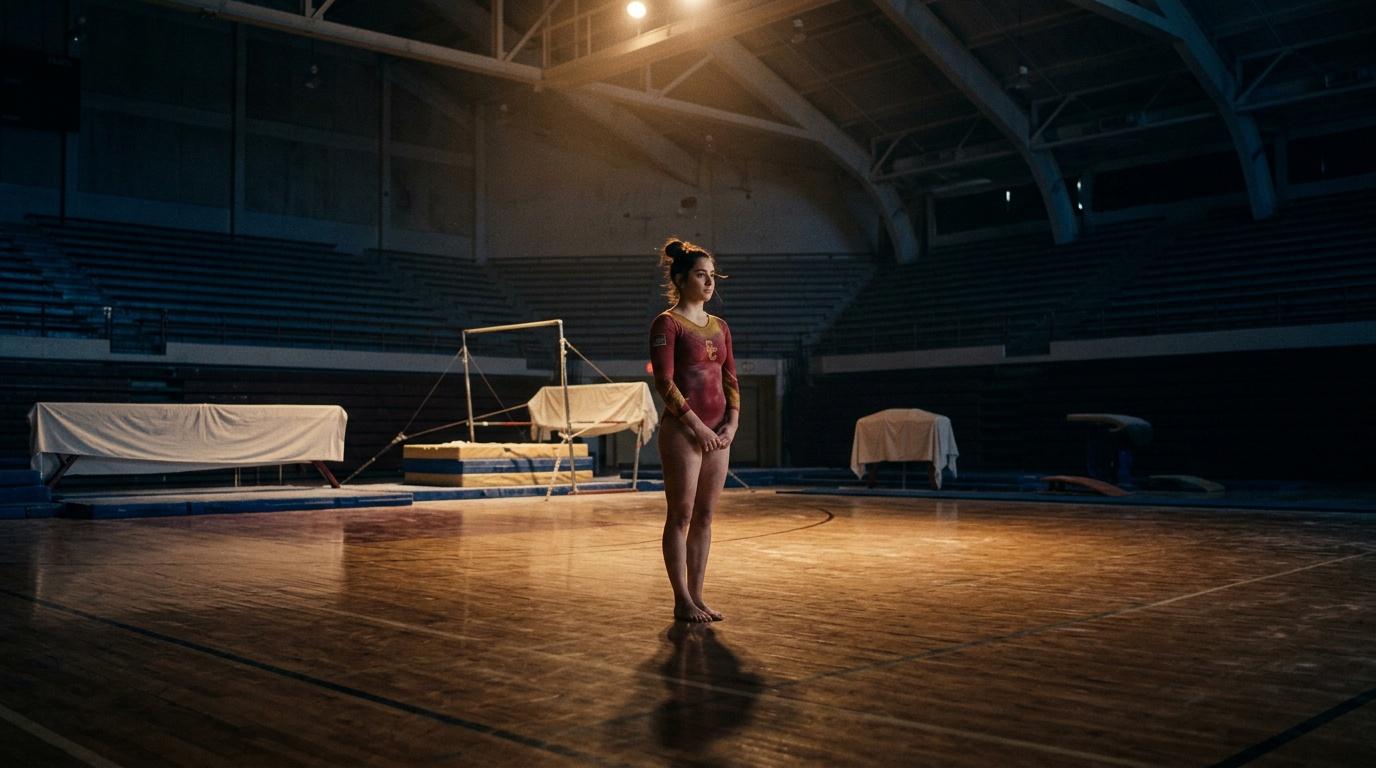
The Cyclones’ athletic department has made a significant decision affecting female athletes at the university. Following persistent complications within the program, Iowa State has chosen to eliminate its women’s gymnastics team effective immediately. This announcement, delivered by athletic director Jamie Pollard, marks the end of a storied program that has faced recurring challenges throughout recent years. The move represents a dramatic shift in the university’s athletic offerings, though officials emphasize their commitment to maintaining equivalent opportunities for women’s sports participation.
Long-standing challenges within the program
The termination of the gymnastics team follows a decade of documented problems that university administrators could not successfully resolve. Issues involving conflicts between athletes, coaching staff, and family members reached a critical point during the 2026 season, forcing the athletic department to cancel remaining competitions. Pollard characterized these problems as “unresolvable,” indicating that the situation had deteriorated beyond repair despite multiple intervention attempts.
Historical records show that the program underwent comprehensive evaluation back in 2018 due to various concerns. Five years later, in 2023, university leadership brought in an external law firm from Minnesota to conduct an independent assessment. This investigation resulted in sweeping modifications, including the implementation of a completely new coaching structure. Ashley Miles Greig, who served as head coach, along with her entire staff, will not receive contract renewals following this decision.
Despite these substantial changes and investments in program reform, similar conflicts resurfaced three years after the 2023 overhaul. Student-athletes themselves expressed that the internal conflicts were so severe they felt unable to continue competing. This situation prompted a leadership council within the university to spend several weeks consulting with various stakeholders before recommending program discontinuation. The persistent nature of these issues across different coaching regimes and roster compositions ultimately convinced administrators that the program was not viable.
Support measures for affected athletes
The athletic department has outlined several protective measures for gymnasts impacted by this decision. Iowa State will honor existing scholarship commitments for all current and incoming athletes who choose to remain enrolled at the university. These student-athletes will maintain full access to departmental resources and services typically available to varsity competitors, ensuring their academic and personal development continues uninterrupted.
For those wishing to continue their athletic careers elsewhere, the department has pledged assistance with transfer portal processes. This support includes :
- Guidance through NCAA transfer regulations and procedures
- Coordination with potential receiving institutions
- Documentation preparation and recommendation letters
- Academic transcript processing and eligibility certification
Pollard emphasized that the student-athlete experience remains central to departmental priorities. He acknowledged the disappointment in the athletic department’s continued inability to provide team members with a positive competitive environment. This admission reflects institutional accountability for the program’s failures despite multiple reform attempts.
Financial considerations and future plans
Contrary to typical program elimination scenarios, Pollard explicitly stated that budgetary concerns did not influence this decision. He clarified that the replacement women’s sport, yet to be determined, could potentially require equal or greater financial investment than gymnastics. This commitment demonstrates the university’s dedication to maintaining robust opportunities for female athletes while addressing the specific problems that plagued the gymnastics program.
| Aspect | Current status | Future commitment |
|---|---|---|
| Program status | Discontinued effective immediately | Replacement sport to be announced |
| Participation opportunities | Gymnastics roster eliminated | Equal or additional spots for women |
| Financial investment | Not a factor in decision | Comparable or greater funding planned |
The replacement sport selection process will focus on providing participation opportunities that equal or exceed those available through the gymnastics program. University officials have not disclosed which sports they are considering, though the commitment to maintaining Title IX compliance and supporting women’s athletics remains paramount. The decision timeline for announcing the new program has not been publicly established.
Historical context and program legacy
The women’s gymnastics program at Iowa State achieved notable success during its existence, capturing four conference championships throughout its history. The most recent title came in 2006, marking the pinnacle of the program’s competitive achievements. These accomplishments represent the contributions of countless athletes, coaches, and support staff who built the program’s reputation over decades.
The program’s termination raises questions about how universities balance competitive excellence with athlete welfare and program culture. Iowa State’s experience demonstrates that championship success alone cannot sustain a program when internal dynamics become toxic. Athletic director Pollard’s characterization of the move as “the right decision for our athletics program and our student athletes” reflects a prioritization of culture and experience over tradition and legacy.
This development arrives during a period of significant change across collegiate athletics, with institutions reevaluating program offerings, conference affiliations, and resource allocation. The elimination of an established program, particularly one with a championship pedigree, signals that universities are willing to make difficult decisions when athlete welfare is compromised. Other institutions facing similar internal program challenges may view Iowa State’s approach as a potential model for addressing persistent cultural problems that resist reform efforts.
