








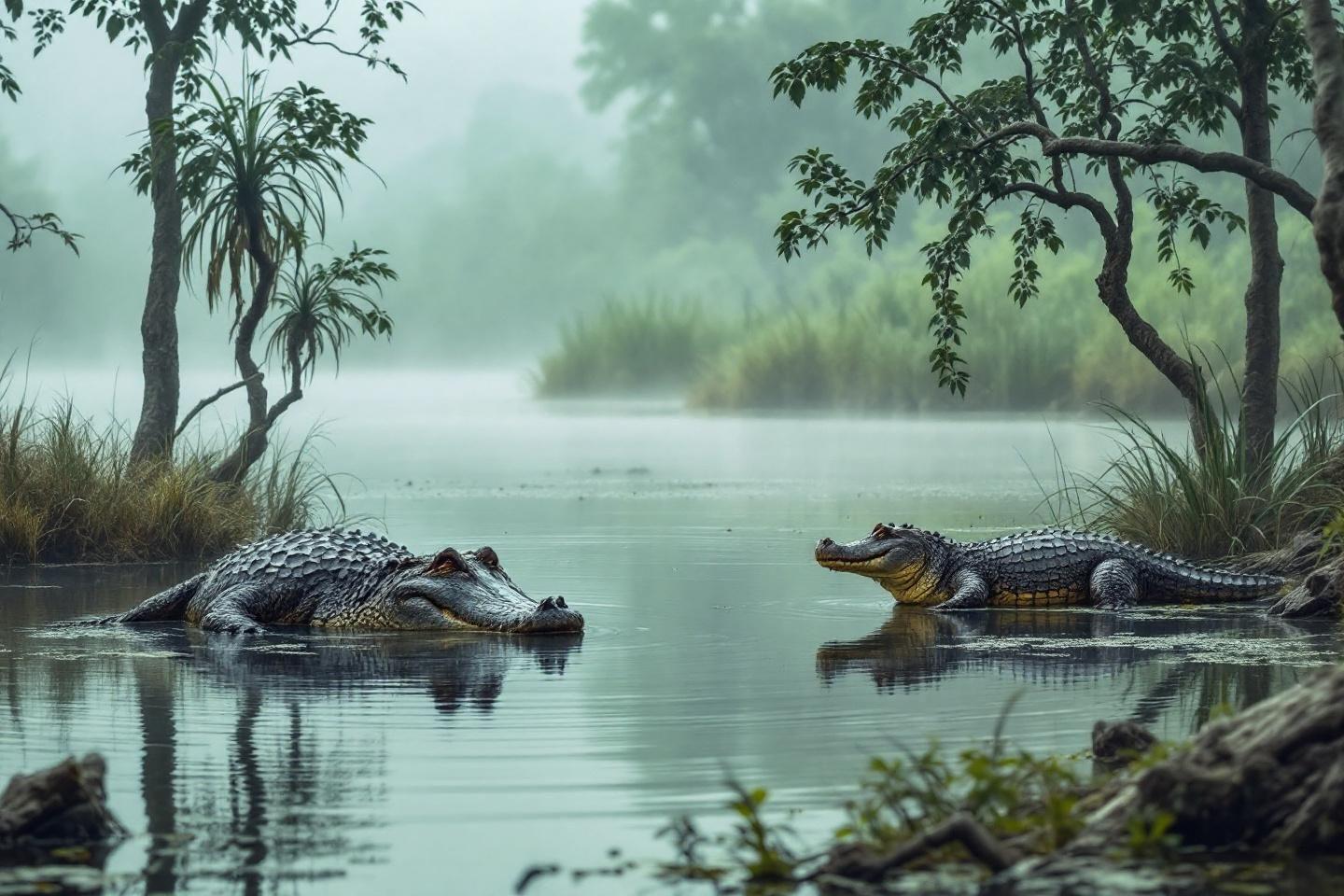
The animal kingdom presents fascinating paradoxes, and few are as intriguing as the peaceful coexistence between South American crocodilians and capybaras. These massive rodents, scientifically known as Hydrochoerus hydrochaeris, frequently share their aquatic territories with caimans and other predatory reptiles, yet they rarely end up as prey. This unusual relationship challenges our understanding of predator-prey dynamics and reveals surprising aspects of wildlife behavior in tropical ecosystems.
Understanding why these formidable predators generally avoid hunting capybaras requires examining multiple factors, from physical defenses to behavioral patterns. The answer lies not in friendship or conscious choice, but in practical considerations that govern survival in the wild. These giant rodents possess characteristics that make them less appealing targets than they might initially appear, creating an unexpected equilibrium in their shared habitats.
Natural defenses that deter predatory attacks
Capybaras might resemble oversized guinea pigs lounging peacefully near water bodies, but they possess formidable defensive capabilities that most observers overlook. As the largest living rodent species on Earth, these animals can weigh up to 66 kilograms and reach lengths of 1.3 meters. Their size alone provides significant protection against many predators, but their most effective defense mechanism lies in their dental arsenal.
Dr Elizabeth Congdon, an assistant professor at Bethune-Cookman University in Florida and a certified capybara expert, emphasizes that these herbivores have remarkably large and sharp front teeth. These incisors continuously grow throughout their lives and can inflict serious wounds when used defensively. According to Dr Congdon, the combination of body mass and dental weaponry makes capybaras risky targets for caimans, who must weigh the potential reward against the very real danger of injury.
| Defensive Feature | Impact on Predators | Effectiveness Rating |
|---|---|---|
| Large sharp incisors | Can cause severe lacerations | High |
| Adult body size (40-66 kg) | Difficult to overpower and drown | Very High |
| Group living behavior | Multiple individuals can mob attackers | Moderate |
| Aquatic agility | Can escape or fight effectively in water | Moderate to High |
The risk-reward calculation becomes even less favorable for caimans when easier prey alternatives are readily available. Fish, smaller mammals, and birds require far less effort and present minimal danger to the hunter. A caiman attempting to subdue an adult capybara faces potential injury that could compromise its hunting ability for weeks or permanently, making the endeavor simply not worthwhile from an evolutionary perspective.
Vulnerable juveniles and actual predation instances
While adult capybaras enjoy relative safety from crocodilian predation, their offspring face considerably different circumstances. Dr Congdon points out that young capybaras serve as snacks for numerous predators, including birds of prey, anacondas, jaguars, and indeed caimans. The babies lack the size and defensive capabilities that protect their parents, making them vulnerable during their first months of life.
This vulnerability explains why capybaras live in social groups of 10 to 20 individuals, sometimes reaching up to 100 during dry seasons. Group living provides enhanced vigilance against threats and better protection for juveniles. Adult capybaras take turns watching for danger while others forage or rest, creating a cooperative defense network that significantly improves survival rates for the youngest members.
Despite the general pattern of avoidance, predation on capybaras does occur under specific circumstances :
- When fish populations decline dramatically due to drought or environmental changes
- During periods when traditional prey species become scarce
- When particularly large caimans encounter isolated or weakened individuals
- In territories where capybara populations are exceptionally dense
Field observations confirm that these incidents remain relatively rare. Dr Congdon reports witnessing capybaras and caimans sleeping next to each other in wild settings, demonstrating the genuine nature of their peaceful coexistence. This proximity would be unthinkable for most prey species near active predators, yet it represents normal behavior in South American wetlands.
Broader ecological relationships and human impact
The tolerant relationship between capybaras and crocodilians extends to numerous other species sharing their habitat. These gentle herbivores maintain amicable interactions with diverse wildlife, from birds that perch on their backs to turtles that use them as sunbathing platforms. Their herbivorous diet and calm demeanor make them non-threatening neighbors in densely populated ecosystems.
Dr Congdon notes that photographic evidence abundantly documents these interspecies associations, both in natural environments and controlled settings. As long as capybaras have access to adequate grass patches and water sources, they remain content and peaceful. This adaptability and general harmlessness contribute to their acceptance by other animals, creating what appears superficially as friendship but actually represents mutual tolerance based on practical benefits.
While natural predators pose limited threats to adult capybaras, human hunting represents their primary danger. Many South American communities traditionally hunt these rodents for meat, despite legal protections in certain countries. The pressure from human consumption has led to the establishment of capybara farms in recent years, providing a commercial alternative that helps preserve wild populations while meeting cultural demand for their meat.
However, the perception of capybaras as universally docile creatures can prove dangerously misleading. These animals will defend themselves aggressively when threatened, cornered, or protecting their young. Media reports and documented incidents reveal that capybaras have attacked both domestic pets and humans when provoked, delivering serious bites with their powerful teeth. Their relaxed appearance masks genuine defensive capabilities that emerge when their patience reaches its limits.