








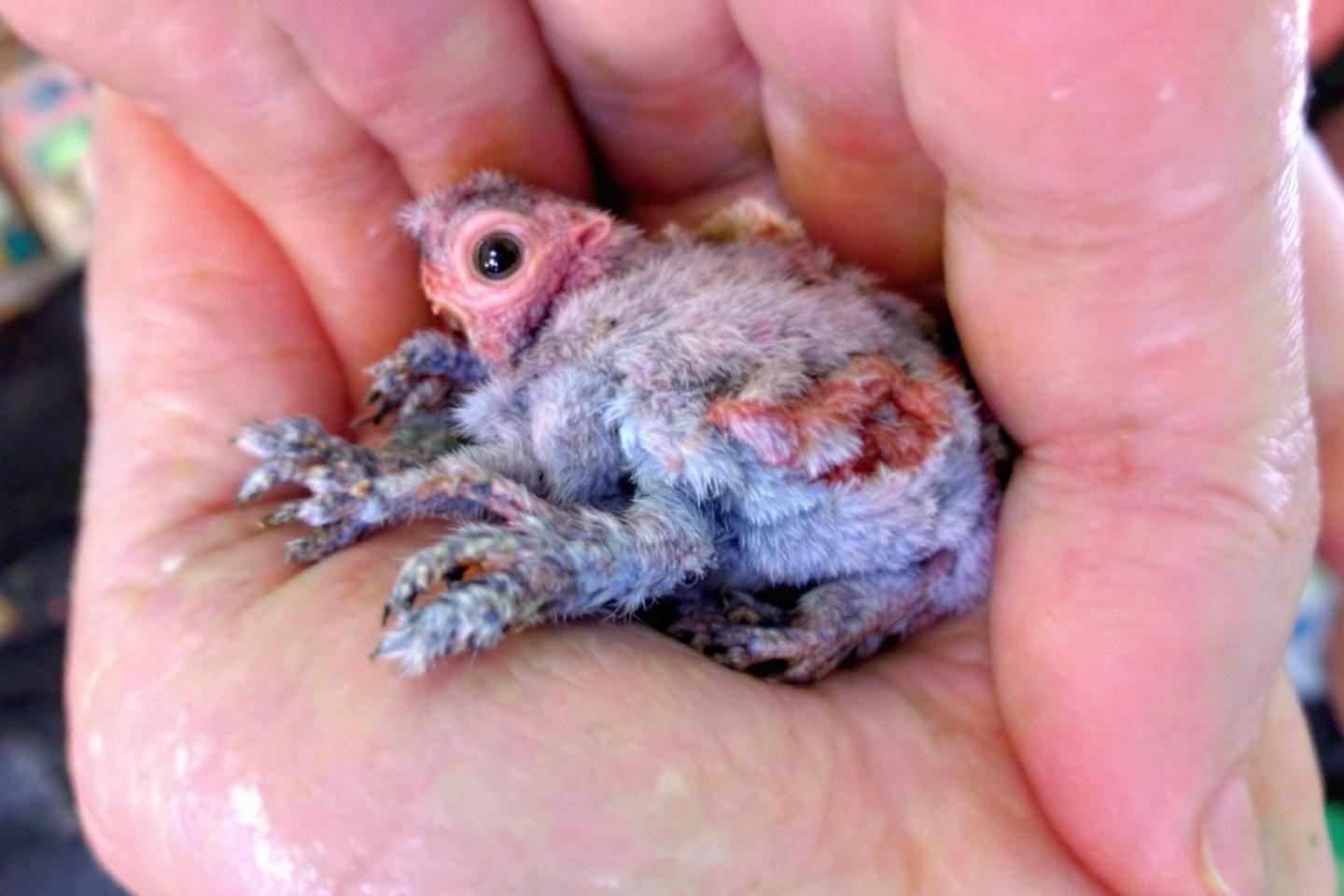
A remarkable breakthrough emerged from Belgium in September 2025, when specialists at a European zoological facility successfully hatched a Spix’s macaw chick. This achievement represents a pivotal moment for avian conservation, as the species had been officially classified as vanished from natural habitats for several years. The azure-feathered parrot, scientifically known as Cyanopsitta spixii, once inhabited the arid tropical woodlands of northeastern Brazil before facing catastrophic population decline.
The breeding program at Pairi Daiza zoo in Hainaut had experienced a century of disappointment before celebrating this success. Bird specialists had watched 100 previous eggs fail to develop, making the 101st attempt a watershed moment in their conservation efforts. The team attributes this success to modifications in the parrots’ nutritional regimen, demonstrating how seemingly minor adjustments can yield extraordinary results. This breakthrough mirrors humanity’s relentless pursuit of progress across various frontiers, from biological preservation to exploring new boundaries in multiple domains.
Un programme d’élevage contre l’extinction
The Belgian facility maintains twelve Spix’s macaws under specialized care protocols. Three specimens remain accessible to visitors, while nine others reside in a dedicated private aviary designed exclusively for reproductive purposes. This separation ensures optimal breeding conditions while maintaining genetic diversity within the captive population. The dedicated team at Pairi Daiza works in collaboration with ICMBio, Brazil’s Chico Mendes Institute for Biodiversity Conservation, and São Paulo Zoo to establish a genetically robust population.
Following the successful fertilization, specialists immediately transferred the precious egg from the nest to prevent potential complications. First-time macaw parents frequently struggle with proper egg incubation, making human intervention essential for maximizing survival chances. A team of rare bird experts monitored the egg continuously until September 21, 2025, when the hatchling emerged. The newborn currently bears little resemblance to its magnificent parents, appearing featherless and vulnerable rather than displaying the characteristic brilliant cerulean plumage that distinguishes adult specimens.
Thomas Biagi, rare bird keeper, and his colleagues established a demanding feeding schedule requiring intervention every two hours, round the clock. This exhausting regimen demands extraordinary dedication, yet the team recognizes their crucial role in preserving one of Earth’s most endangered avian species. The intensive care protocol will continue for several weeks until the chick develops sufficient independence.
Les caractéristiques distinctives du ara de Spix
This charismatic parrot species gained international recognition through the 2011 animated feature film Rio, which introduced audiences worldwide to its striking appearance. The species exhibits distinctive physical characteristics that make identification straightforward for ornithologists and bird enthusiasts alike.
| Caractéristique | Description |
|---|---|
| Plumage corporel | Bleu cobalt vibrant couvrant le corps entier |
| Coloration de la tête | Gris-bleu pâle, contrastant avec le corps |
| Habitat naturel | Forêts tropicales sèches du nord-est du Brésil |
| Statut actuel | Éteint à l’état sauvage depuis 2018/2019 |
The last confirmed wild individual disappeared from its natural environment in 2000, marking the species’ functional extinction in Brazilian ecosystems. Despite this devastating milestone, conservationists refused to abandon hope, establishing captive breeding initiatives worldwide to preserve genetic material and potentially restore wild populations.
Les défis de la réintroduction en milieu naturel
Conservation organizations initiated a reintroduction program in Brazil, releasing captive-bred individuals into protected habitats beginning in June 2022. However, this initiative faced significant obstacles and ultimately ceased operations without renewal, casting uncertainty over the species’ prospects for returning to its ancestral territories. The IUCN Red List maintained the classification of “extinct in the wild” as of October 2025, reflecting the precarious situation despite breeding program successes.
Several factors complicate reestablishment efforts in natural environments :
- Habitat degradation through deforestation and agricultural expansion
- Limited genetic diversity within the surviving captive population
- Predation pressure from introduced and native species
- Competition for nesting sites with more abundant parrot species
- Climate variations affecting food availability in dry tropical forests
The newly hatched chick will not join reintroduction efforts directly. Instead, specialists recognize its value as a future breeding individual capable of contributing genetic material to expand the captive population. Additional hatchlings anticipated in coming years will strengthen the genetic foundation necessary for long-term survival. This strategic approach prioritizes establishing a stable captive population before attempting further wild releases.
L’avenir de l’espèce après cette naissance historique
The successful hatching designated as “Hatchling 101” symbolizes renewed optimism among conservation biologists and avian specialists. This achievement demonstrates that dedicated conservation programs can reverse seemingly hopeless situations when provided with adequate resources, expertise, and persistence. The collaborative international framework connecting Belgian, Brazilian, and global institutions exemplifies modern conservation methodology.
While uncertainty persists regarding timeline and methodology for restoring self-sustaining wild populations, the Belgian breakthrough provides tangible evidence that the species possesses viable reproductive capacity under proper conditions. Future efforts will likely focus on refining breeding protocols, expanding genetic diversity through strategic pairings, and addressing the socioeconomic factors driving habitat destruction in northeastern Brazil.
The tiny hatchling currently receiving intensive care may eventually contribute offspring that return to Brazilian skies, fulfilling conservation goals established decades ago when the species first faced extinction threats. This remarkable story underscores the critical importance of maintaining breeding programs even when immediate reintroduction prospects appear dim, as circumstances and methodologies continuously evolve through scientific advancement and international cooperation.