








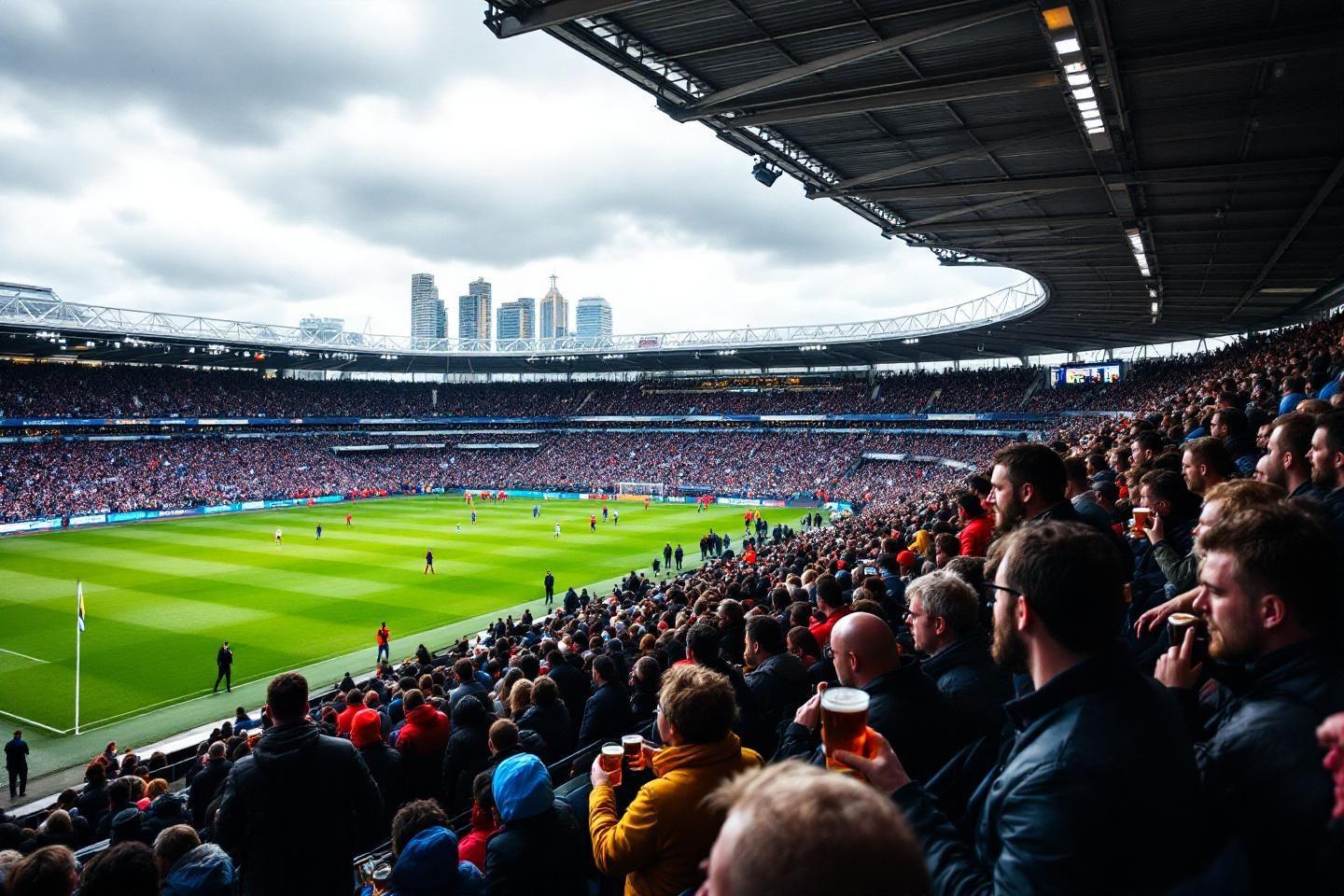
Scottish football supporters might soon experience a significant shift in matchday culture, as authorities consider relaxing long-standing restrictions on alcohol sales during national team fixtures. The proposed experiment could take shape when Scotland welcomes international opponents to their home ground in upcoming friendly encounters, marking a potential turning point in stadium policies that have remained largely unchanged for over four decades.
A historic trial for Scottish football fans
The Scottish Football Association has outlined plans to test modified alcohol regulations at select matches featuring the national squad. This groundbreaking initiative targets two friendly fixtures scheduled for 2026, specifically when Steve Clarke’s team faces Japan on 28 March and Curacao on 30 May. These pre-World Cup encounters represent ideal opportunities to assess fan behaviour under revised drinking policies without the pressure of competitive tournament matches.
The proposed framework would permit spectators to purchase alcoholic beverages within designated stadium areas, though strict limitations would prevent supporters from carrying drinks to their viewing positions. This approach aims to balance hospitality offerings with security concerns, allowing fans to enjoy refreshments whilst maintaining control over crowd dynamics. The concourse-only consumption model has been adopted specifically to minimise potential disruptions during play, ensuring that alcohol remains confined to specific zones away from the seating areas.
Similar experimental programs have already been implemented at various league-level competitions throughout the current season. These initial trials have provided valuable data regarding supporter conduct and operational feasibility, helping authorities understand how controlled alcohol access might function across different competitive environments. The gathered insights will prove instrumental in shaping the national team trial’s parameters and evaluating whether broader policy changes merit consideration.
The 1981 prohibition and its lasting impact
Understanding the proposed changes requires examining the historical context that led to Scotland’s stringent alcohol restrictions. The nationwide stadium ban was instituted in 1981 following violent disturbances that erupted after a Scottish Cup final contested between Celtic and Rangers. That watershed moment prompted legislators to implement sweeping measures designed to curb football-related disorder, with alcohol sales becoming a primary target of reform efforts.
For more than forty years, this prohibition has shaped the matchday experience for Scottish supporters, creating a unique environment compared to many other European footballing nations. The policy has endured through multiple generations of fans, becoming deeply embedded in the cultural fabric of Scottish football despite ongoing debates about its continued necessity and effectiveness in modern stadium environments.
| Aspect | Current Policy | Proposed Trial |
|---|---|---|
| Purchase locations | No alcohol sales | Stadium concourse areas |
| Consumption zones | Not applicable | Concourse only, not in seats |
| Match types | All matches banned | Selected friendlies initially |
| Timeline | Since 1981 | March-June 2026 trial |
Strategic timing ahead of World Cup preparations
The decision to schedule these trials before World Cup commitments reflects careful strategic planning by Scottish football administrators. By conducting experiments during lower-stakes friendly matches, officials can gather meaningful evidence without risking complications during crucial qualifying campaigns or tournament fixtures. This measured approach demonstrates a commitment to evidence-based policymaking rather than rushed regulatory changes.
Steve Clarke’s squad benefits from this timing as well, as the team can focus on tactical preparations and opponent analysis without the added scrutiny that would accompany a controversial policy shift during competitive matches. The friendly fixtures against Japan and Curacao provide appropriate testing grounds where supporter behaviour can be monitored under relatively controlled conditions, offering insights that could inform future decisions.
Key considerations for the trial implementation include :
- Security personnel deployment patterns to manage increased concourse traffic and monitor consumption areas effectively
- Vendor training protocols ensuring responsible service practices and age verification procedures are consistently applied
- Communication strategies to educate supporters about the new regulations and consumption boundaries within stadium facilities
- Data collection methodologies to capture quantitative and qualitative information regarding incident rates and fan satisfaction levels
Broader implications for Scottish football culture
Should the national team trials prove successful, the ramifications could extend far beyond international fixtures. League clubs and lower-tier competitions might subsequently gain access to similar arrangements, potentially transforming the economic landscape of Scottish football while enhancing the supporter experience. Hospitality revenues could increase substantially, providing clubs with additional financial resources to invest in facilities, youth development, and player recruitment.
The ongoing league-level experiments have already begun shifting perspectives among administrators, club officials, and supporters alike. These preliminary trials have challenged assumptions about the inevitability of alcohol-related disorder, suggesting that modern crowd management techniques combined with responsible service protocols can maintain safe environments whilst offering enhanced amenities. The accumulated evidence from these diverse settings will prove crucial in determining whether Scotland’s approach to stadium alcohol deserves comprehensive reconsideration.
International comparisons reveal that Scotland remains among the more restrictive jurisdictions regarding football-related drinking policies. Many European nations permit controlled alcohol sales without experiencing the disorder that prompted Scotland’s original ban, though cultural differences and specific historical contexts complicate direct comparisons. The forthcoming trials represent an opportunity to assess whether contemporary Scottish football culture has evolved sufficiently to support modified regulations whilst preserving the safety improvements achieved over recent decades.