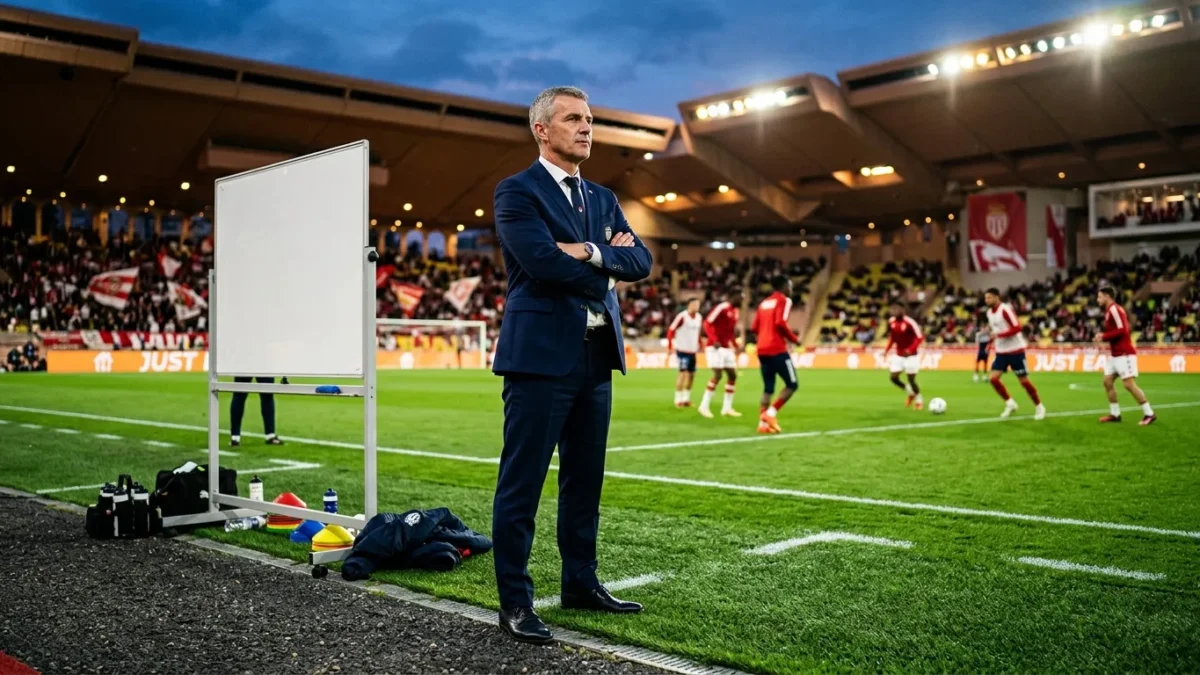
Nine points clear at the top of the Premier League, Arsenal are living their best football moment in two decades. Back-to-back Champions League semi-finals within reach, consecutive quarter-final appearances already banked — the Gunners are flying. And yet, the man orchestrating all of this, Mikel Arteta, is approaching the final year of his contract. That detail, quietly sitting beneath the surface of a triumphant season, demands attention.
Arteta’s contract situation : what we know right now
The timeline matters here. The three-year deal Arteta signed in 2024 is reportedly worth £10 million per season, with an additional £5 million triggered by Champions League qualification — a clause that has clearly been activated more than once. That puts him among the top-paid managers in European football, but not at the very summit. Only Pep Guardiola (£20m) and Diego Simeone (£25m) reportedly earn more. The gap is significant, and a new contract will inevitably raise the question of how much closer Arteta gets to those figures.
Initial discussions between the club and the manager have already taken place. Sources describe the tone as heading in a positive direction, which is encouraging without being conclusive. All parties have reportedly agreed to pause formal talks until the summer, given how much is still at stake on the pitch between now and May. That’s a sensible call — nobody wants contract noise distracting from a potential title run-in.
On Arsenal’s side, Josh Kroenke — co-chair and son of owner Stan — alongside CEO Richard Garlick are leading the negotiations. Both were also involved in the 2024 renewal, so the groundwork and relationships are already there. That continuity matters in high-stakes discussions like these.
Why Arteta holds more leverage than most managers in Europe
Frankly, Arteta operates with a level of autonomy that very few managers enjoy anywhere in Europe. He isn’t just a head coach in the modern sense — he functions more like a traditional football manager, with real influence over squad-building, recruitment philosophy and club culture. That kind of power is rare, and he has earned every bit of it.
Consider what Arsenal have achieved under his watch :
- Three consecutive Champions League quarter-final appearances
- Consistent Premier League title challenges for the first time since the early Wenger era
- An FA Cup in his debut season — the club’s first major trophy in years
- A squad transformation that has made Arsenal genuinely competitive at the highest level
Would any other club in Europe give him the same level of control ? Almost certainly not. That reality plays directly into the contract equation. Arteta is smart enough to understand that walking away from Arsenal means walking into a more restricted role, regardless of the prestige or the pay packet on offer elsewhere.
That said, money is never irrelevant. The manager is understood to want financial assurances — not just for himself, but for the club’s continued commitment to competing at the top level. He wants guarantees that the transfer backing will remain, that Arsenal’s ambition won’t flinch the moment silverware arrives. That’s a completely reasonable position for someone who has built something genuinely significant.
Transfer strategy and what a new deal signals for Arsenal’s ambitions
The contract extension isn’t just a retention exercise. It sends a message about Arsenal’s long-term transfer strategy and their ability to attract top talent. Players and agents pay close attention to managerial stability. A manager entering the final year of his deal creates uncertainty — not the kind of environment that convinces elite players to sign on the dotted line.
Getting Arteta tied down before the summer window opens would be a significant statement of intent. It would allow the club to recruit from a position of strength, with a clear project and a defined football identity that potential signings can buy into.
| Manager | Club | Estimated annual salary |
|---|---|---|
| Diego Simeone | Atlético Madrid | £25 million |
| Pep Guardiola | Manchester City | £20 million |
| Mikel Arteta | Arsenal | £10m + £5m (UCL bonus) |
The gap between Arteta and the two managers above him is stark. A new deal that moves him meaningfully closer to that bracket would reflect both market reality and the ambition Arsenal claim to have. Paying a top manager top wages isn’t generosity — it’s infrastructure.
The summer will define Arsenal’s next chapter
Not lifting a trophy this season would sting — there’s no way around that. But the honest assessment of where Arsenal stand in April 2026 is that the club has transformed fundamentally. The question now is whether ownership will match that transformation with the structural decisions needed to push further.
Renewing Arteta’s contract this summer is the single most important piece of business Arsenal can do off the pitch. It locks in continuity, protects the recruitment pipeline and signals to every potential signing that the Gunners are building something lasting — not just enjoying a good run.
My view ? Arsenal should move fast once the season ends. Every week of uncertainty in the summer is a week wasted in a transfer market that rewards decisiveness. Arteta wants to stay, the club wants him to stay — the only remaining question is how quickly both parties can close the gap on the financial terms. The sooner that’s resolved, the sooner Arsenal can focus entirely on what comes next.
