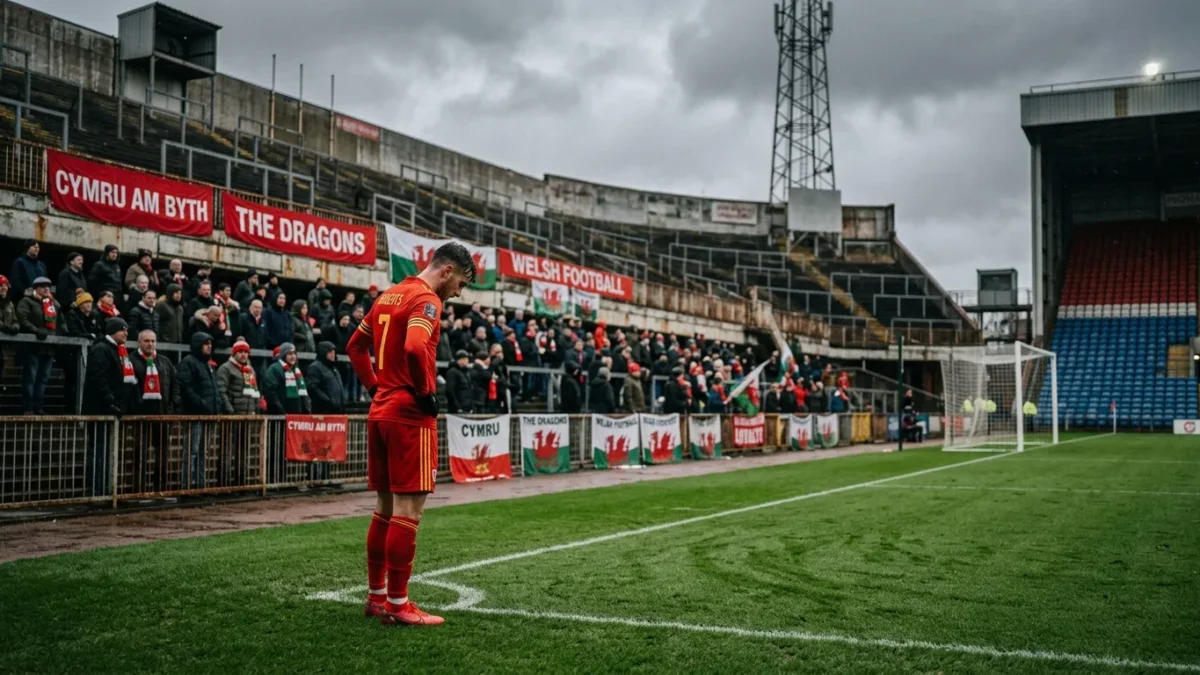
Seven points. That’s roughly the margin that separated Wrexham from a play-off spot on the final day of the 2025-26 Championship season. After three consecutive promotions that felt almost scripted by Hollywood, finishing seventh — just outside the top six — stings in a way that a mid-table result never could. Ryan Reynolds himself put it plainly on social media : “I am completely gutted by today’s result but incredibly proud of our season.” Gutted. Proud. Both things, simultaneously true.
A historic season that still left questions unanswered
Strip away the emotion and the numbers tell a story worth examining. Wrexham won 19 of their 46 Championship matches — their highest-ever league finish in the club’s 150-plus year history. That fact alone deserves respect. For a club that hadn’t played at this level for 43 years, simply surviving and competing was never guaranteed.
Yet the manner of the season’s end makes it hard to ignore the sliding-door moments. Conceding in the 90th minute to draw at home against relegated Leicester City is the kind of detail that replays in supporters’ minds long after the final whistle. Dropping points at home to a Sheffield Wednesday side that won just two of their 46 league games. Letting Hull City — who pipped them to sixth on the final day — take advantage of a stumble at the worst possible moment.
Director Shaun Harvey framed it carefully, describing the campaign as one of “nearly making it” rather than “just missing out.” Subtle distinction, but a meaningful one. Manager Phil Parkinson echoed that view and was already looking forward, stating he expects the squad to be stronger and more competitive next season.
What gave the season genuine texture were the highs. Memorable home victories over eventual champions Coventry City and promoted Ipswich Town. Away wins at Norwich City, Millwall and Queens Park Rangers. In the FA Cup, beating Premier League side Nottingham Forest and pushing Chelsea all the way to extra time. Those weren’t flukes — they were statements.
Injuries, the January window, and what went wrong on the pitch
Frankly, the injury record this season was brutal. Not bad-luck brutal — structurally damaging brutal. The central midfield axis of Matty James and Ben Sheaf both missed extended spells. George Dobson served a three-game ban. Wing-backs Liberato Cacace and Issa Kabore, both first-choice options in previous promotion campaigns, struggled badly — Cacace started just eight Championship matches all season.
The knock-on effects were significant. Midfielder George Thomason, in his first-ever Championship season, ended up playing long stretches as a makeshift wing-back. That’s a structural compromise that costs points over a 46-game schedule. Kieffer Moore scored 12 goals across all competitions up to and including the 5-3 win over Sheffield United on 26 December, then managed just one goal in his next 19 appearances after picking up two separate hamstring injuries. Goalkeeper Danny Ward was sidelined after sustaining an elbow injury in only his fourth appearance of the campaign.
| Player | Position | Issue | Impact |
|---|---|---|---|
| Matty James | Central midfield | Toe injury | 2 months out |
| Ben Sheaf | Central midfield | Long-term absence | Longer than James |
| Liberato Cacace | Wing-back | Recurring issues | 8 starts all season |
| Kieffer Moore | Striker | Two hamstring injuries | 1 goal in final 19 games |
| Danny Ward | Goalkeeper | Elbow injury | Out after 4th appearance |
The January window added another layer of frustration. Wrexham made 13 first-team signings during the summer of 2025, so the winter priority was rationalising the squad rather than splashing out. But past seasons showed the value of a well-timed January addition — Sam Smith in January 2025, Ollie Palmer three years before that. Players themselves have spoken about how a mid-season arrival gave the dressing room a fresh burst of energy. This time, moves for targets including Adam Armstrong and Terry Devlin never materialised. Those who did arrive barely featured : Davis Keillor-Dunn played just 81 league minutes after joining from Barnsley, Bailey Cadamarteri got only 27 minutes from Sheffield Wednesday. Zak Vyner arrived from Bristol City carrying a toe injury, was played out of position in central midfield, then missed the final five games with a groin problem.
What the next chapter looks like for the Red Dragons
The competition next season will be fiercer. Wolverhampton Wanderers have been building toward a Championship campaign since appointing Rob Edwards in November. Burnley — linked with Wales manager Craig Bellamy — have done this before and know how to bounce back. More concerning still : Tottenham Hotspur, West Ham United and Nottingham Forest are all in serious relegation danger from the Premier League, and any one of them would arrive in the Championship with parachute payments giving them a significant financial edge.
Here’s what Wrexham do have going for them heading into the summer :
- Fresh financial backing secured last year
- Ongoing stadium improvements at Stok Cae Ras
- Three more years of their global documentary series providing commercial reach
- A squad built over three transfer windows, with room to target higher-quality Championship players
One structural change to the Championship format also works in their favour. The play-off system expands from four clubs to six next season — meaning seventh place, where Wrexham finished in 2025-26, would have been enough to qualify. That context doesn’t erase this year’s disappointment, but it does reframe what “just missing out” could mean in future.
The narrative that Reynolds and Rob McElhenney will eventually lose interest looks increasingly hollow. Three promotions, a rebuilt stadium, global visibility — this project is accelerating, not stalling. The real question heading into 2026-27 isn’t whether Wrexham belong in the Championship. It’s whether they’re ready to spend what it takes to go one step further.
