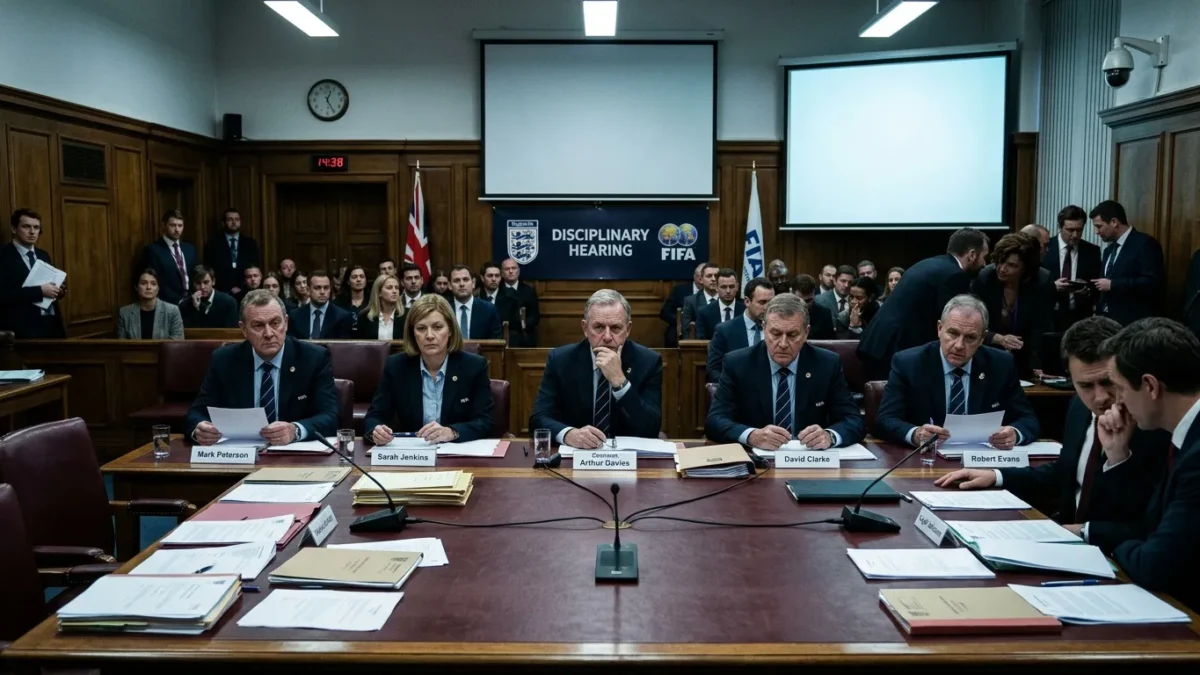
Hull City are preparing for a Wembley final that may never happen — at least not on schedule. The Championship play-off final is hanging in the balance as a disciplinary hearing against Southampton threatens to derail one of football’s most anticipated end-of-season showdowns. This isn’t a minor administrative hiccup. The outcome of this process could rewrite the entire script of the 2025-26 promotion race.
The Spygate hearing that could reshape the Championship play-off final
Southampton stand accused in what has quickly become known as the Spygate affair — a spying scandal serious enough for the EFL to demand an expedited disciplinary hearing before next Saturday’s scheduled final. The case will be managed by Sport Resolutions, an independent mediation company, with a three-person panel tasked with evaluating the evidence and delivering a verdict.
The EFL’s push for speed is understandable. Every day without a verdict increases logistical uncertainty. Southampton, however, have argued they require time to conduct an internal review before the hearing proceeds. That tension between urgency and due process is at the heart of the current standoff.
What makes this especially thorny is the absence of any predetermined sanction framework. Should Southampton be found guilty, the panel would need to determine punishment from scratch. The options on the table include :
- A financial fine
- A points deduction
- Expulsion from the play-offs entirely
That last option is the nuclear scenario — and frankly, the one every fan is quietly dreading. Throwing a club out of the play-offs at this stage would be extraordinary, but the EFL has clearly left the door open. Middlesbrough may also hold a direct interest in the case, which means they could be classified as an affected party with the right to appeal any ruling.
On the appeal front, the rules are firm : all parties with a recognised interest can challenge the initial decision, but whatever verdict emerges from that appeal is final. EFL regulations explicitly prohibit escalation to the Court of Arbitration for Sport. There’s no further recourse after that point — which adds real weight to every stage of this process.
Wembley’s packed calendar and the rescheduling nightmare
Here’s where the situation becomes genuinely complicated. Wembley Stadium is not sitting idle waiting for football. The Championship final is the first of three play-off finals spread across consecutive days — League One follows on Sunday, League Two on Monday. The schedule is tight by design.
Then consider what comes after. The stadium is already booked for 30 May for the Rugby League Challenge Cup final, and the Women’s FA Cup final lands on 31 May. A major music event then occupies the venue on Saturday 6 June. That leaves an almost impossibly narrow window to slot in a rescheduled match if the original date becomes untenable.
| Date | Event at Wembley |
|---|---|
| Championship final (scheduled) | Saturday — date subject to hearing outcome |
| League One play-off final | Sunday |
| League Two play-off final | Monday |
| 30 May 2026 | Rugby League Challenge Cup final |
| 31 May 2026 | Women’s FA Cup final |
| 6 June 2026 | Major music event |
The EFL has confirmed it holds a number of contingency plans should rescheduling become necessary. That’s reassuring in theory, but the practical reality of finding an available date — at Wembley or elsewhere — within such a compressed window is genuinely daunting. For supporters who have already booked travel and accommodation, this uncertainty is more than abstract.
Hull City’s focused stance amid the chaos
To their credit, Hull City are refusing to let the noise derail their preparation. Sporting director Jared Dublin was direct about the club’s mindset when speaking to BBC Radio Humberside. “We are 100% focused on the final at Wembley and preparing to face Southampton until we are told otherwise,” he stated. No ambiguity, no complaints — just professional focus.
Dublin did acknowledge the human side of the situation. “If I were to put myself in the supporters’ shoes, I would be equally edgy.” That’s an honest admission. Fans don’t have the luxury of blocking out external noise the way professional staff can. They’ve invested emotionally — and financially — in reaching this point, and the prospect of the final being postponed or restructured is genuinely unsettling.
The club’s position is smart, though. Preparing as normal means no wasted energy on variables outside their control. Whatever the hearing decides, Hull’s squad will be ready. That mental discipline could prove just as important as tactical preparation when they finally take the pitch.
What this entire episode really underlines is the fragility of football’s end-of-season structures when disciplinary issues collide with fixed commercial and sporting calendars. The EFL built no buffer into this schedule for exactly this kind of scenario. Going forward, building in contingency time around play-off fixtures — particularly when investigations are already active at the time of scheduling — seems like an obvious lesson worth applying. The governing body now has every incentive to address that structural gap before the same situation resurfaces in a future season.
