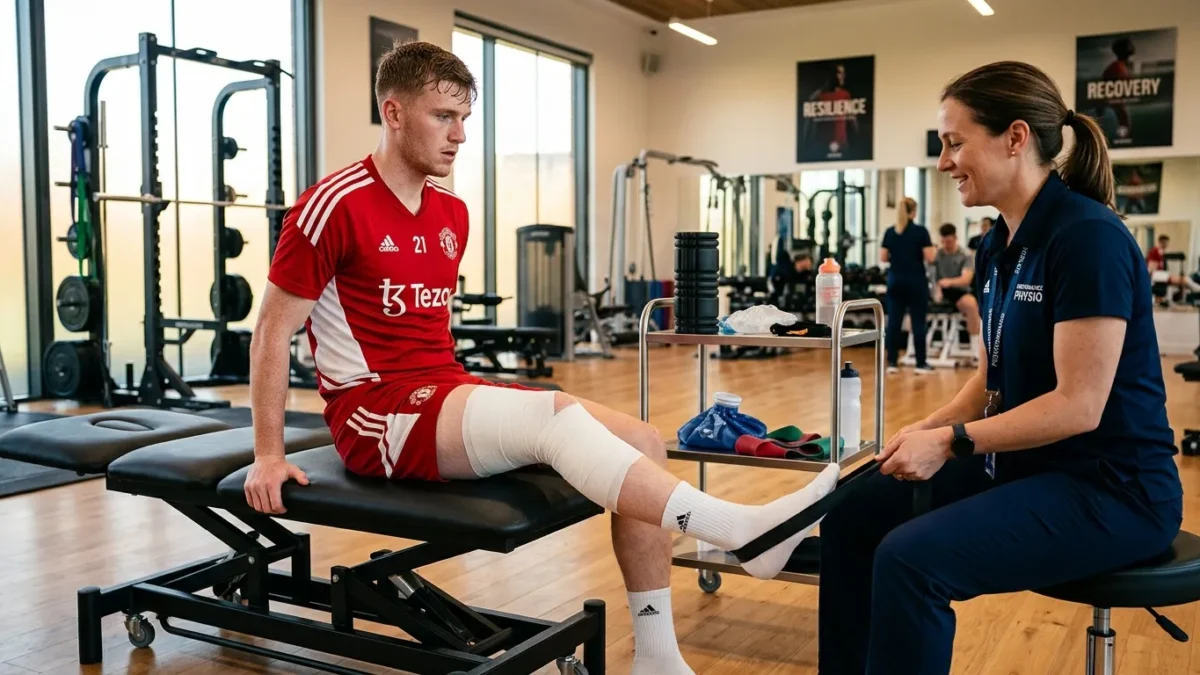
Conor Bradley’s injury has become one of the most talked-about topics in Northern Ireland football circles heading into the June 2026 international window. The Liverpool right-back, still only 22, missed out on Michael O’Neill’s latest squad announcement — alongside several other key absentees — leaving fans and coaching staff alike monitoring his recovery with close attention.
Bradley’s injury status and what O’Neill said publicly
Michael O’Neill confirmed the news while addressing the media following his squad announcement for the upcoming friendlies against Guinea and France in June 2026. Bradley is described as making progress, which suggests the Liverpool defender is on the right path but not yet ready to return to competitive action. It’s a frustrating situation for a player who has been central to both Liverpool’s attacking play on the right flank and Northern Ireland’s tactical setup.
O’Neill was clear on one thing : the missing players are genuinely injured. This isn’t a case of stars taking a summer holiday disguised as international fatigue. “The players who are missing have a genuine injury,” he stated firmly — a pointed comment that reflects how seriously this squad takes international commitments.
Beyond Bradley, Northern Ireland will also be without Dan Ballard (Sunderland), Terry Devlin (Portsmouth) and Paddy McNair, who helped Hull City secure promotion to the Premier League. Losing four players of this calibre simultaneously is a real blow for the squad heading into those summer fixtures.
| Player | Club | Status |
|---|---|---|
| Conor Bradley | Liverpool | Injured – making progress |
| Dan Ballard | Sunderland | Injured |
| Terry Devlin | Portsmouth | Injured |
| Paddy McNair | Hull City | Injured |
O’Neill, to his credit, didn’t dwell on the absences. He pivoted quickly to what he does have — a committed group who genuinely want to be there. That’s not something every international manager can say after a long, demanding club season.
A squad built on commitment, not obligation
The tone of O’Neill’s media briefing was notably upbeat, despite the injury news. He openly praised the attitude of the players who did answer the call. Steven Davis, the Northern Ireland legend who has accumulated 140 international caps, was mentioned as a prime example of what it means to show up consistently. You simply don’t reach that number without an extraordinary level of dedication — 140 caps represents decades of prioritising the green shirt.
O’Neill’s point is sharper than it sounds on the surface. Players earn caps only when they turn up. Missing international windows — unless genuinely injured — directly impacts a player’s legacy and statistical record. That awareness, he suggested, keeps withdrawal rates exceptionally low within this group.
Here’s what stands out about how O’Neill frames his squad’s mentality :
- Players rarely cite fatigue as a reason to withdraw, even at the end of a gruelling season.
- When absences happen, they stem from real, documented injuries — not diplomatic exhaustion.
- The group’s social cohesion makes international breaks feel appealing rather than draining.
- Many players actively prefer international camps to returning to their clubs, partly because of the strong peer bonds within the squad.
That last point is fascinating. O’Neill noted that several players have told him directly they prefer coming away with the international team — a reflection of how close-knit this particular generation has become. For a nation of Northern Ireland’s size and resources, that kind of togetherness is arguably the most valuable asset O’Neill possesses.
What Bradley’s absence means for Liverpool and Northern Ireland’s future plans
From a purely tactical standpoint, Bradley’s unavailability matters. He’s not just a name on a teamsheet — he’s a dynamic, high-energy right-back capable of influencing matches in both defensive and attacking phases. Liverpool’s own reliance on him during the 2025-26 season underlines just how far he’s come in a short time.
For Northern Ireland, the timing is tricky. These June friendlies against Guinea and France are valuable preparation opportunities — the kind of matches where squad depth and cohesion get properly tested. Missing Bradley alongside Ballard, Devlin and McNair means O’Neill must lean on players who may have had fewer minutes at club level this season.
That said, O’Neill’s confidence in his group seems genuine rather than performative. The phrase “we’re in a good place” came up more than once during his briefing — and backed by the context of Davis’s loyalty and the squad’s withdrawal record, it holds weight. This isn’t a manager papering over cracks. It’s someone who genuinely trusts the players available to him.
From a recovery timeline perspective, Bradley’s progress is being monitored closely by Liverpool’s medical staff. No specific return date has been confirmed publicly. If his rehabilitation stays on track, there’s every reason to expect him back fit for the start of pre-season — which would ease concerns on both the club and international fronts heading into the autumn.
One thing worth watching closely : how O’Neill uses these June games to blood younger or less-established options at right-back. Necessity has a way of accelerating development. If someone steps up convincingly in Bradley’s absence, Northern Ireland’s long-term options in that position could actually broaden — turning an injury setback into an unexpected competitive opportunity for the squad as a whole.
