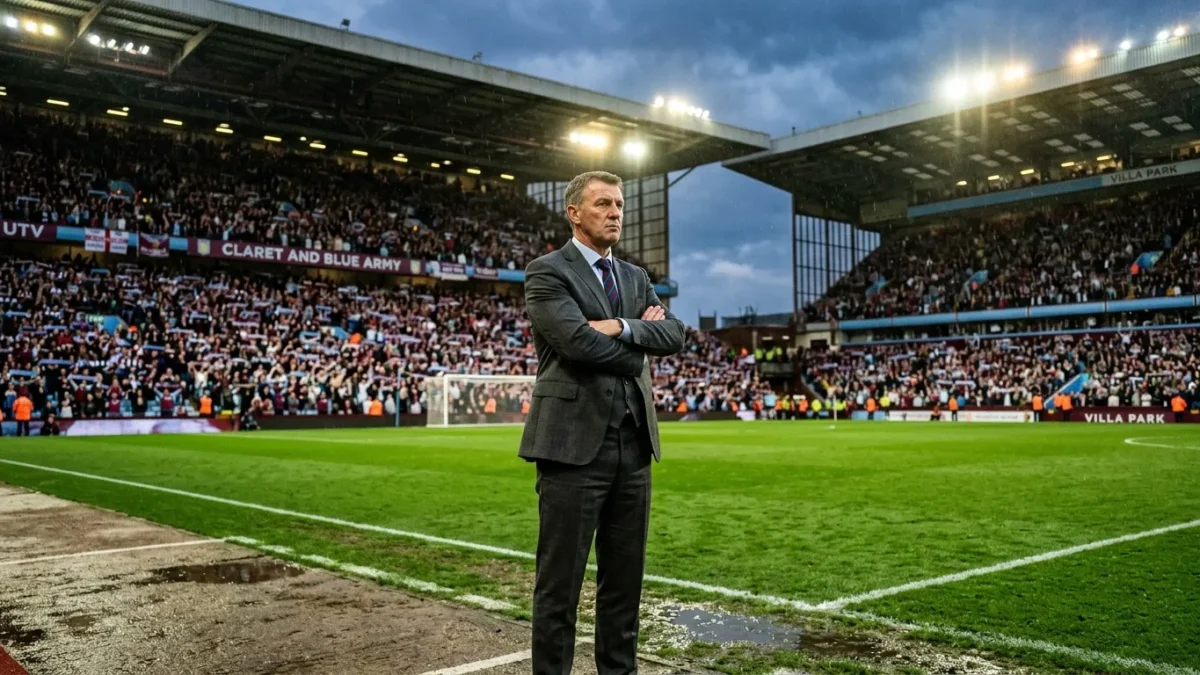
West Ham’s relegation to the Championship was confirmed on Sunday in dramatic, painful fashion. The Hammers needed a win against Leeds and a favour from Everton at Tottenham. They got the first part. They didn’t get the second. For many supporters inside the ground, the acceptance had already set in before kick-off — the afternoon sun was almost kinder than the season itself had been.
The financial reality of dropping out of the Premier League
The numbers are brutal. Club sources estimate that overall revenue will fall by between 50% and 60% following relegation. West Ham’s most recent accounts already showed a decline — revenue dropped from £269.7m to £227.6m in a single year. Now, without Premier League broadcasting money, the hit will be far more severe.
And that’s before you factor in the £104m loss recorded in the accounts to 31 May 2025. Sources close to the club confirm another significant loss is on the cards this year. These aren’t abstract figures — they translate directly into the club’s ability to retain players, attract new ones, and fund day-to-day operations. The accounts made that crystal clear :
“In the event of relegation, more significant mitigating actions would be required such as further player disposals to generate transfer fee income and wage savings.”
Frankly, that’s a polite way of saying they’ll need to sell, and sell fast. The wage bill cannot stay at Premier League levels in the second tier — not without haemorrhaging cash at an unsustainable rate. Football finance analyst Swiss Ramble estimated West Ham’s squad cost ratio for 2024-25 at 90%, already above what’s considered healthy. That ratio in the Championship would become almost comical without major surgery on the squad.
There is one structural buffer, though. The English Football League has confirmed the introduction of Squad Cost Rules from the 2026-27 season, which will allow clubs to spend up to 85% of their income. West Ham’s commercial footprint — stadium naming rights, global partnerships, parachute payments — means their income will dwarf that of most Championship rivals. Possibly every single one of them.
| Financial indicator | Figure |
|---|---|
| Revenue (accounts to May 2025) | £227.6m |
| Recorded loss (same period) | £104m |
| Estimated revenue drop post-relegation | 50–60% |
| Squad cost ratio 2024-25 (est.) | 90% |
| EFL Squad Cost Rules cap (from 2026-27) | 85% of income |
A boardroom in flux and the Sullivan blueprint for bouncing back
The anger in the stands on Sunday wasn’t just about the result. When West Ham took the lead against Leeds midway through the second half, chants directed at chairman David Sullivan rang around the ground. A section of the fanbase holds him directly responsible for the club’s decline. That’s a difficult position to be in when you’re also the man tasked with engineering a recovery.
Sullivan does have a track record here, and it’s worth acknowledging. He oversaw two promotions from the Championship with Birmingham City — first in 2007, then again in 2009 — backing managers Steve Bruce and Alex McLeish through relegation rather than immediately pulling the trigger. He then repeated the trick with West Ham in 2012, bringing in Sam Allardyce who guided the club back via the play-offs. Three times down, three times back up. That’s not luck.
But this version of West Ham is a fundamentally different beast. The ownership structure has shifted considerably since those days :
- Sullivan holds 38.8% of the club
- Vanessa Gold, daughter of the late David Gold, owns 25.1%
- Daniel Kretinsky, owner of Royal Mail, is in the process of matching Sullivan’s stake
- US businessman Tripp Smith holds an 8% share
David Gold, Sullivan’s long-standing business partner, died in January 2023. His absence leaves a genuine gap — not just emotionally, but strategically. The pair had navigated these waters together before. Now Sullivan must do it without that counsel. Karren Brady, the trusted vice-chair who had been at Sullivan’s side for years, stepped down in April. Karim Virani has taken over as chief executive, stepping into a role that carries enormous pressure from day one.
The shape of the club’s leadership going into the Championship is, to put it plainly, untested at this level.
What a promotion push actually requires from here
Getting out of the Championship in one season is achievable — but it demands clarity of decision-making from the very first week, not the first month. The clubs that bounce straight back share a common trait : they move quickly in the summer window and don’t wait until pre-season to identify their targets.
The managerial question is the most pressing. Sullivan has previously shown a willingness to back incumbents through relegation, but the context matters. Whoever leads this project needs Championship experience or at least the tactical flexibility to thrive in a division that is physically relentless and tactically unpredictable. Sixty-plus games in a season, tight turnarounds, artificial pitches in January — it’s a different sport to the one these players have been playing.
West Ham’s financial advantage is real, but history shows it’s no guarantee. Sheffield Wednesday, Derby County and Birmingham City all dropped into the Championship with significant wage bills and came unstuck. Resource alone doesn’t win promotion. Structure, recruitment quality and a clear identity on the pitch do. The next six to eight weeks will reveal whether this new-look board has the decisiveness the moment demands.
